
U.S. approves H200 sales to 10 Chinese firms; Beijing doubles down on domestic chips
Washington cleared Alibaba, Tencent, ByteDance and seven other Chinese companies to purchase up to 75,000 Nvidia H200 chips each under new licensing rules, but China's January restrictions on foreign hardware purchases remain firmly in place.
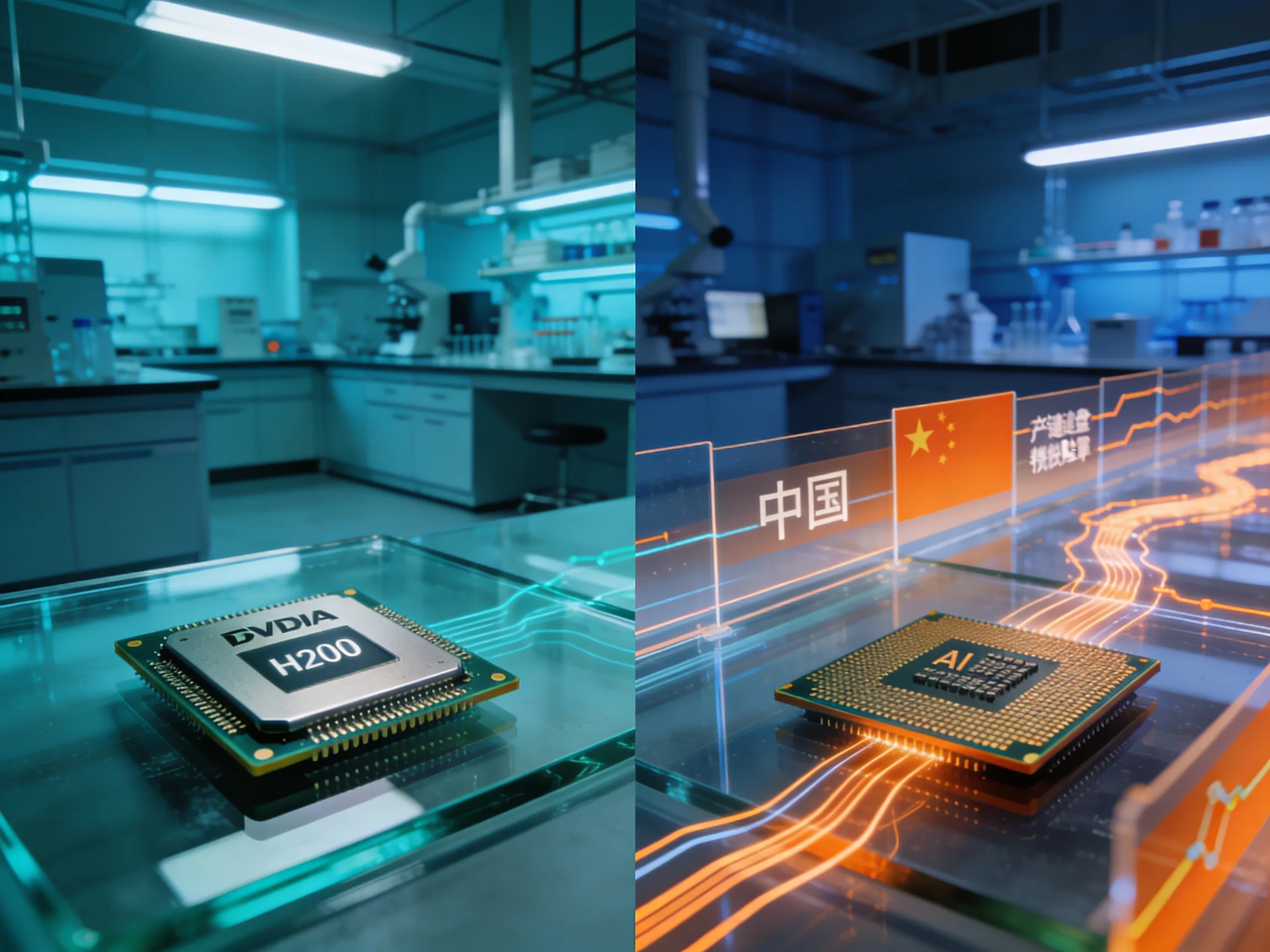
The United States cleared roughly ten Chinese technology companies—including Alibaba, Tencent, and ByteDance—to purchase Nvidia H200 GPUs under new licensing rules announced during bilateral talks in China on May 14. Each firm may now buy up to 75,000 chips, a significant loosening of export controls that had effectively blocked advanced AI accelerators from reaching Chinese buyers since late 2022.
Beijing's response has been muted. China imposed its own restrictions on foreign chip purchases in January 2025, steering state-backed enterprises and major tech platforms toward domestically manufactured alternatives. Officials have made clear those rules will stay in place, prioritizing the country's nascent semiconductor industry over reliance on American suppliers.
Supply-chain sovereignty
Chinese policymakers view the U.S. move as a calculated attempt to maintain leverage rather than a genuine opening. By allowing limited H200 sales, Washington preserves Nvidia's revenue stream and keeps Chinese AI labs tethered to American export policy, while stopping short of the volume needed for full technological parity. The cap of 75,000 chips per company—enough to train mid-scale models but not frontier systems—underscores that intent.
The AI race has shifted from model architectures to supply-chain control. China's January restrictions and its push for homegrown accelerators from vendors like Huawei and Biren Technology reflect a long-term bet that self-sufficiency outweighs short-term access to cutting-edge foreign hardware. The H200 licenses may sit unused if domestic alternatives prove competitive enough to satisfy both performance targets and political mandates.