
Anima fine-tune locks into repetitive compositions, users report workaround attempts
Early adopters of the Anima Stable Diffusion fine-tune say outputs lack compositional variety, with near-identical framing across different prompts—a contrast to Illustrious and NovelAI.
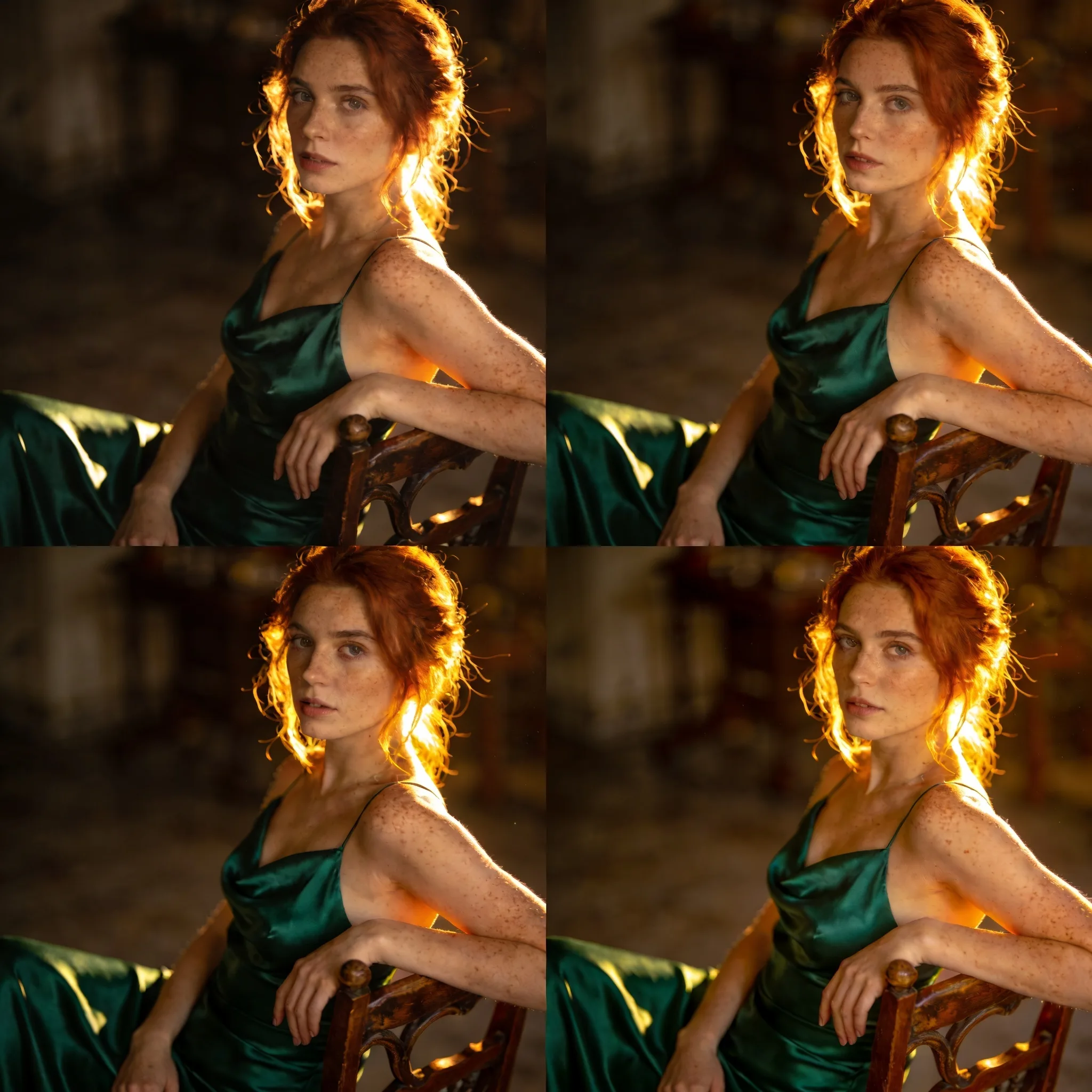
Users testing the Anima fine-tune for Stable Diffusion are flagging a compositional repetition problem. Multiple prompts fed to the model produce nearly identical framing and layout, according to posts circulating among practitioners this week. One tester posted side-by-side outputs showing the same camera angle, subject placement, and background structure across four unrelated prompts. The model appears to lock onto a narrow compositional template regardless of prompt variation—a behavior that suggests overfitting or insufficient diversity in the training set.
Varying seed values, CFG scale, and sampler choice have minimal impact on the underlying framing. Anima is an open-weight fine-tune built on Stable Diffusion's Preview1 architecture, released earlier this month on HuggingFace and Civitai. The model targets photorealism and has drawn attention for its detail rendering, but the compositional lock appears to be a side effect of the tuning process. Models trained on narrow aesthetic datasets often converge on a small set of camera angles and layouts that dominate the training corpus. Illustrious and NovelAI sidestep this by training on broader image sets with explicit compositional tagging, allowing the model to sample from a wider range of framing options at inference time.
Practitioners are experimenting with negative prompts that explicitly reject common compositional patterns, though early results suggest the model's internal bias is strong enough to override prompt-level steering. No official guidance on compositional tuning parameters has been published yet.