
Why diffusion models can't draw a legal chessboard
Stable Diffusion and similar models routinely produce chessboards with wrong grid counts, misplaced pieces, and color errors—even with detailed prompts. The limitation reveals how diffusion learns visual patterns, not logical rules.
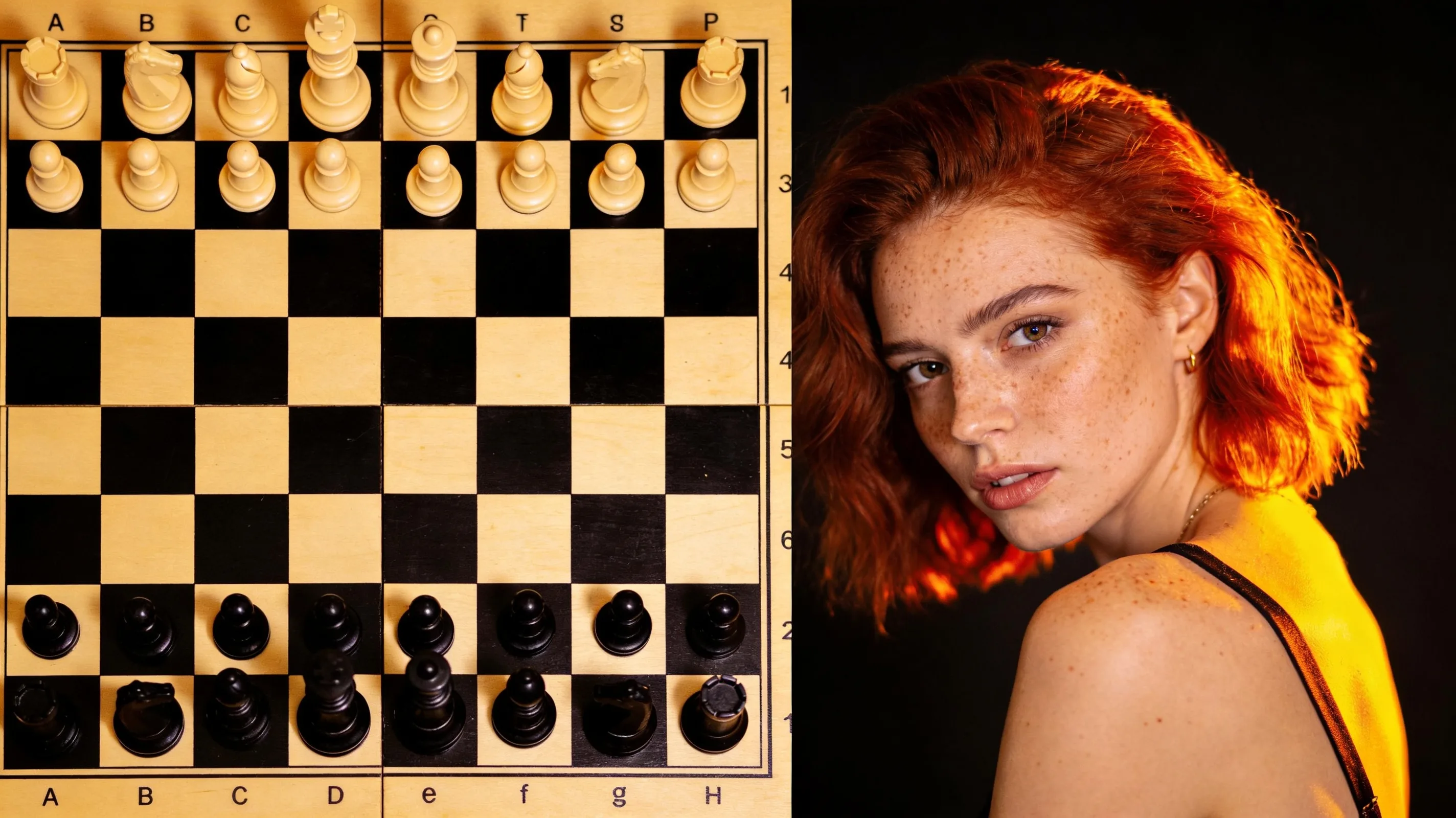
Stable Diffusion and its derivatives struggle with a task that should be straightforward: generating a legal chessboard. Users report that even detailed prompts specifying 8×8 grids, alternating colors, and correct piece placement yield boards with wrong row and column counts, misplaced pieces, and color errors. The problem persists across base models and popular fine-tunes, suggesting a fundamental limitation in how diffusion models encode spatial relationships and rule-based layouts.
The root cause lies in how these models learn. A chessboard is an 8×8 grid with strict alternation rules and piece placement conventions—concepts that text-to-image systems treat as statistical correlations rather than hard rules. During training, models see thousands of chess images and learn that certain shapes and colors cluster together, but they don't internalize the underlying grid logic. The result is boards that appear chess-like at first glance but collapse under scrutiny: wrong piece counts, misaligned squares, broken symmetry.
Some practitioners have attempted workarounds: extremely long prompts that enumerate every square, ControlNet sketches that pre-define the grid, or img2img workflows starting from a correct reference board. None reliably solve the problem, and all demand significantly more effort than a simple text prompt. A handful of LoRAs trained on chess datasets exist, but community reports suggest they improve piece recognition more than board accuracy. What practitioners actually need is either a purpose-built LoRA trained on synthetically correct chessboards with heavy regularization on grid structure, or a hybrid workflow that uses a programmatic overlay to enforce the 8×8 layout before diffusion fills in textures and lighting. Until then, anyone generating chess imagery will likely need to correct boards manually in post or accept that accurate legal chessboards remain out of reach for pure generative approaches.