
Claude Code plugins lock power users into Anthropic's ecosystem
Anthropic's Claude Code plugin format lets developers ship complex multi-capability extensions with slash commands and subagents, but the closed spec could lock power users into Claude's orbit while open alternatives lag behind.
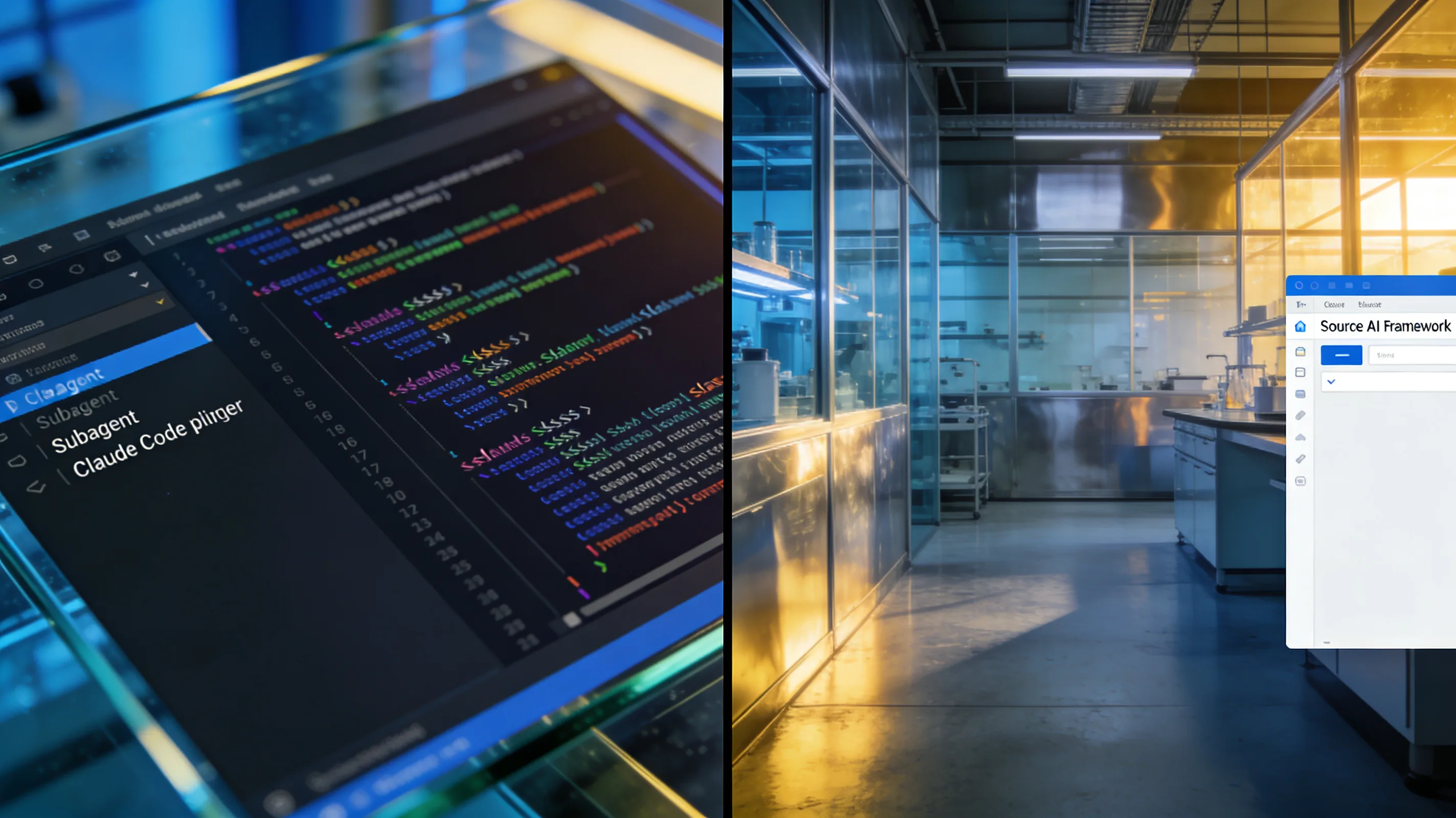
Anthropic's Claude Code plugin system is emerging as a potential wedge in the local AI agent landscape. Unlike the simpler skill format — a single markdown file with a prompt that auto-triggers on matching user requests — plugins bundle multiple capabilities into one distribution unit: auto-invoked skills, explicitly-called slash commands under a /plugin-name:command namespace, and spawned subagents with their own context windows. Microsoft's deep-wiki plugin, for example, packs 3,500 lines of prompts and logic into a single package that can generate a project wiki or answer questions about a codebase through dedicated slash commands like /deep-wiki:generate and /deep-wiki:ask.
The format is powerful but proprietary. Anthropic has not published an open specification, and most agentic frameworks don't support the plugin manifest structure or the slash-command routing that makes them useful. A developer building a plugin for Claude Code today is writing against a single vendor's API surface, with no guarantee that the work will port to Cline, Aider, or any other local coding agent.
Adoption outside Claude
Among open-source agents, only Qwen Code — Alibaba's coding assistant — currently supports installing Claude Code plugins directly from Anthropic's marketplace. That gives Qwen a compatibility edge, but the project sees far less community discussion than alternatives like Cline or Continue. If plugin adoption accelerates and the format stays closed, power users building or relying on complex multi-step workflows could find themselves tethered to Claude's ecosystem by default.
The risk isn't that plugins exist — bundled capabilities are a natural evolution for agentic tooling. The risk is that the format becomes a de facto standard before anyone else can implement it, turning what could have been a shared primitive into a moat. Skills, by contrast, are just markdown files; any agent can parse them. Plugins require infrastructure: manifest parsing, command routing, subagent spawning. Without a public spec, that infrastructure stays Anthropic-shaped.