
Google's internal compute committee rations TPU access as researchers defect to startups
An internal board now allocates GPU and TPU cluster time at Google, forcing researchers to pitch for training quotas. The scarcity is already driving talent exits to smaller competitors.
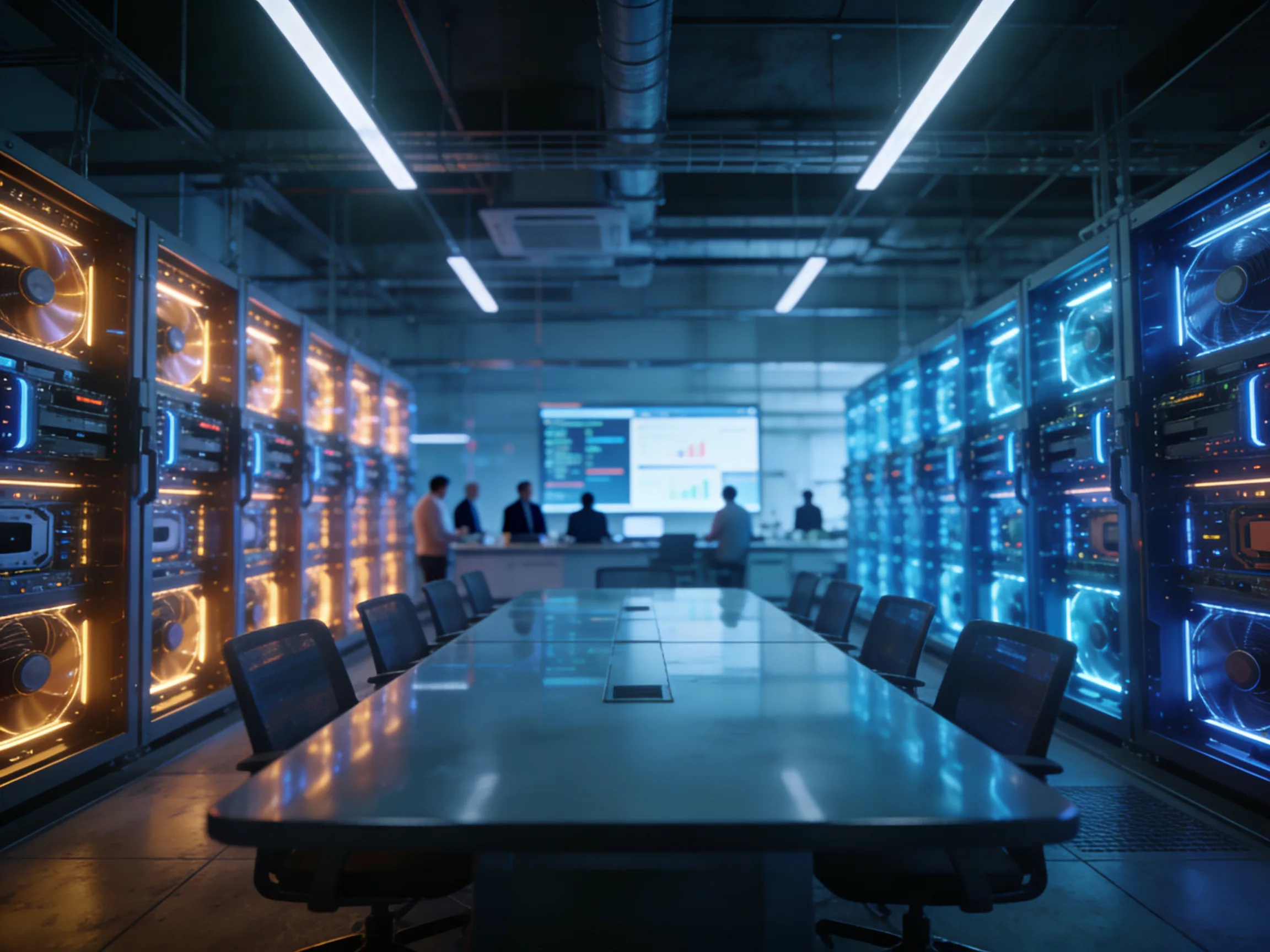
Google has formed an internal compute committee that allocates TPU and GPU cluster time across divisions and projects, deciding which teams get priority and which wait in queue. Researchers now prepare pitch decks to secure training resources; projects that don't make the cut either wait or ask neighboring teams to loan capacity.
The rationing reflects the same hardware crunch hitting the broader industry — hyperscalers are bottlenecked on H100s and their successors, and even a company that designs its own TPUs cannot fab enough silicon to satisfy every internal research bet. The committee formalizes what had been ad-hoc negotiation, but it also means Google's own AI researchers now face the same scarcity constraints as outside labs scrambling for cloud credits.
Some researchers have already left for smaller startups, where compute access is often more direct and less committee-driven. The exits suggest that even deep-pocketed incumbents risk losing talent when internal bureaucracy around hardware becomes a daily friction point. Whether the committee model spreads to other hyperscalers — or whether Google loosens it as new TPU generations ship — will signal how long the compute crunch lasts and whether centralized rationing becomes the new normal inside frontier labs.