

House of David mixed Kling and Runway for post-production AI shots
Amazon's House of David relied on multiple AI video generators—Kling for faces, Runway for compositing—showing that production teams now mix tools by task rather than standardizing on one platform.
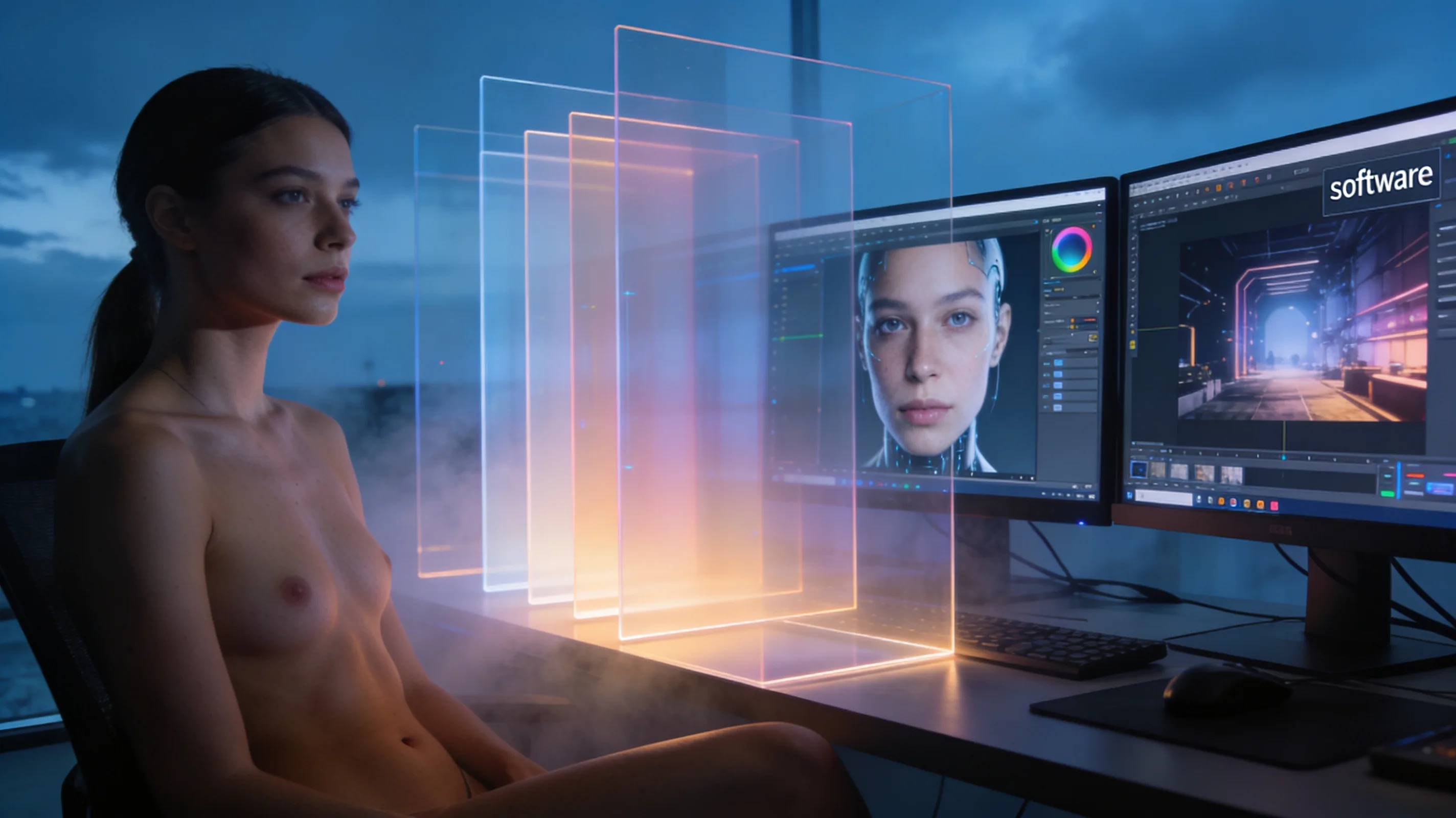
Amazon's House of David series leaned on AI video generation throughout post-production, with different teams choosing different tools for specific tasks. One breakdown highlights Kling for facial work, while Runway handled compositing and editing passes. The production didn't settle on a single generator; instead, crews mixed Kling, Runway, and other platforms depending on the shot and the supervisor's preference.
The approach mirrors older VFX pipelines—modeling in 3ds Max, animation in Maya, effects in Houdini, rendering in RenderMan—except the cycle time has collapsed from years to months. A lead artist might favor Kling for close-up face replacement while a compositor two desks over defaults to Runway for background extensions. Budget and creative scope both drove adoption; AI tools cut costs on crowd duplication and environment extensions while enabling shots that would have been prohibitively expensive with traditional methods.
Neither tool's role in the final pipeline specifies upscaling workflows, color bit depth, or delivery specs, leaving open questions about how these AI passes integrate with high-end color grading. What's clear is that no single platform dominates; teams are assembling bespoke stacks that shift every few months as new models drop. The next six months will show whether this fragmentation persists or whether one or two platforms pull ahead on reliability and integration with existing DCC tools.


