

China bars top AI researchers from leaving country without government approval
Beijing now requires government approval before key researchers and executives at private AI companies can leave the country, extending Cold War–era exit controls to the commercial tech sector.
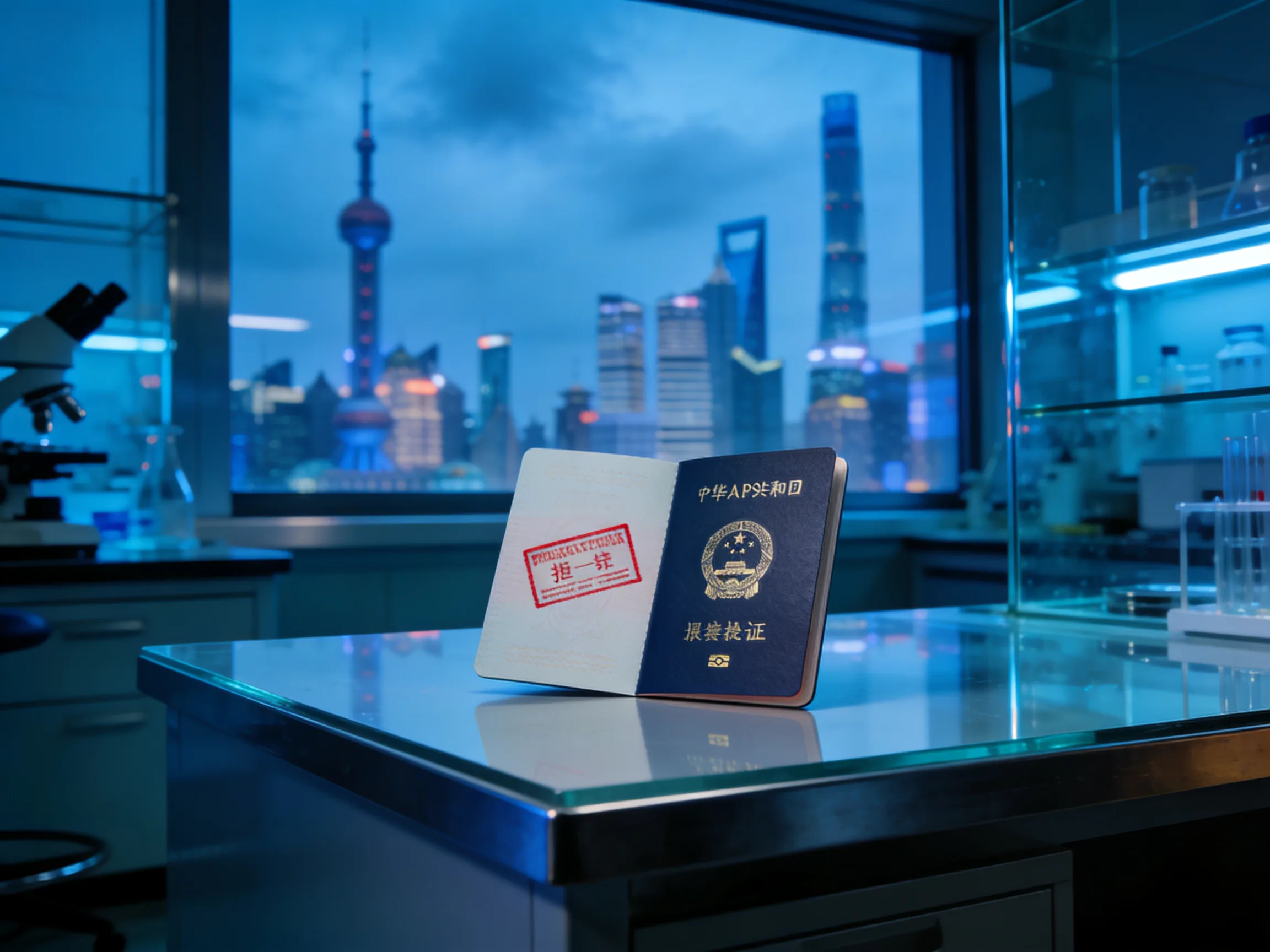
China has extended travel restrictions to senior AI talent at private companies including Alibaba and DeepSeek, according to Bloomberg reporting released May 26. Startup founders, researchers, and executives deemed strategically significant now need government clearance before traveling abroad. In some cases, authorities have confiscated passports.
The policy previously applied to government officials, nuclear scientists, and state-owned enterprise managers. Extending it to the private sector marks a departure from past practice. The government compiles lists not by job title but by individual assessment of a person's strategic value to the country.
How selection works
Designation depends on an individual's perceived importance to national AI capabilities rather than formal rank. A mid-level researcher working on a critical model architecture could face restrictions while a higher-ranking executive in a less sensitive role might not.
The move echoes Soviet-era controls on technical personnel. Exit visa regimes for scientists and engineers were standard practice in the USSR and continued in modified form in Russia and China for defense-related fields. Applying the same framework to commercial AI reflects Beijing's view of the technology as a strategic asset on par with nuclear or aerospace programs.
Neither Alibaba nor DeepSeek has commented publicly. The policy's scope—how many individuals are affected, which other companies fall under the rules, and whether the restrictions are temporary or indefinite—remains unclear.


