

Anthropic's dynamic workflows orchestrate hundreds of Claude agents to port Bun from Zig to Rust
Anthropic introduced dynamic workflows, a multi-agent orchestration system that breaks complex engineering tasks into parallelized subtasks. The feature was demonstrated by automatically porting the Bun JavaScript runtime from Zig to Rust—work that typically requires weeks of manual effort.
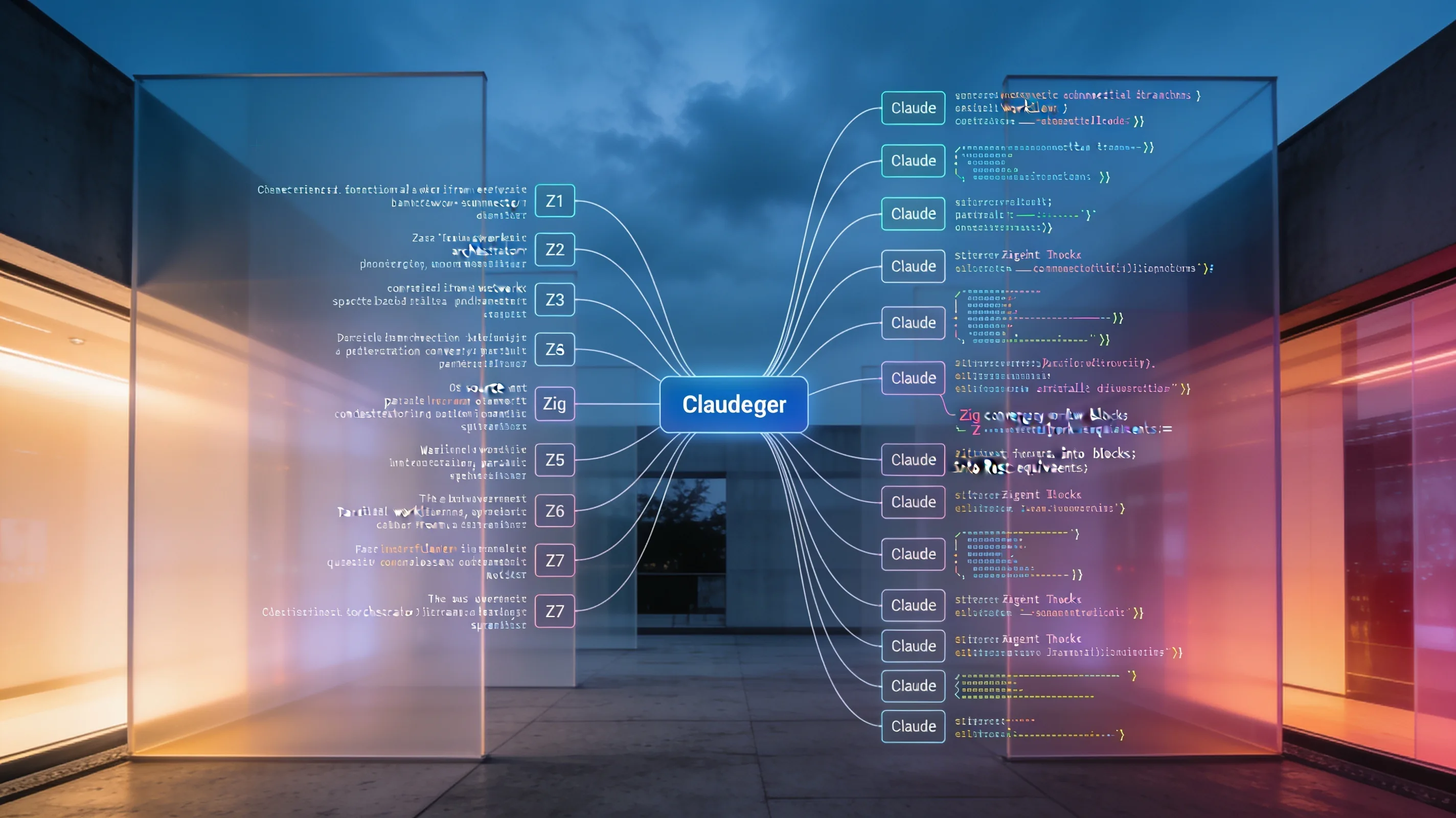
Anthropic announced dynamic workflows this week, a multi-agent orchestration system that breaks complex engineering tasks into parallelized subtasks and distributes them across hundreds of Claude instances. The feature debuted with a live demonstration: automatically porting the Bun JavaScript runtime from Zig to Rust, a migration that would typically require weeks of manual developer work.
When a dynamic workflow launches, Claude generates a task plan, splits it into independent subtasks, and assigns them to parallel agents. In the Bun port, one workflow determined correct Rust lifetime annotations for every struct field in the Zig codebase. A second workflow rewrote each.rs file as a direct port of its.zig counterpart, with hundreds of agents working in parallel and two reviewer agents checking each file. A repair loop then ran the build and test suite repeatedly until all errors cleared. After the code merged, a separate workflow eliminated redundant data copies and opened pull requests for final review—which agents could also handle.
Progress checkpoints throughout execution mean interrupted tasks resume from the last saved state rather than restarting from scratch. Anthropic positions the feature for long-running parallelizable work spanning hours or days. The Bun port consumed a substantial token budget; the company notes that current use cases are limited to scenarios with clear success criteria, such as cross-language migrations.


