

Claude Opus 4.8 orchestrates hundreds of parallel subagents, hits 84% on browser-agent benchmark
Anthropic's Claude Opus 4.8 adds dynamic workflow execution that runs hundreds of concurrent subagents in a single session, reduces undetected code bugs by 75%, and claims top spot on the Online-Mind2Web benchmark at 84%.
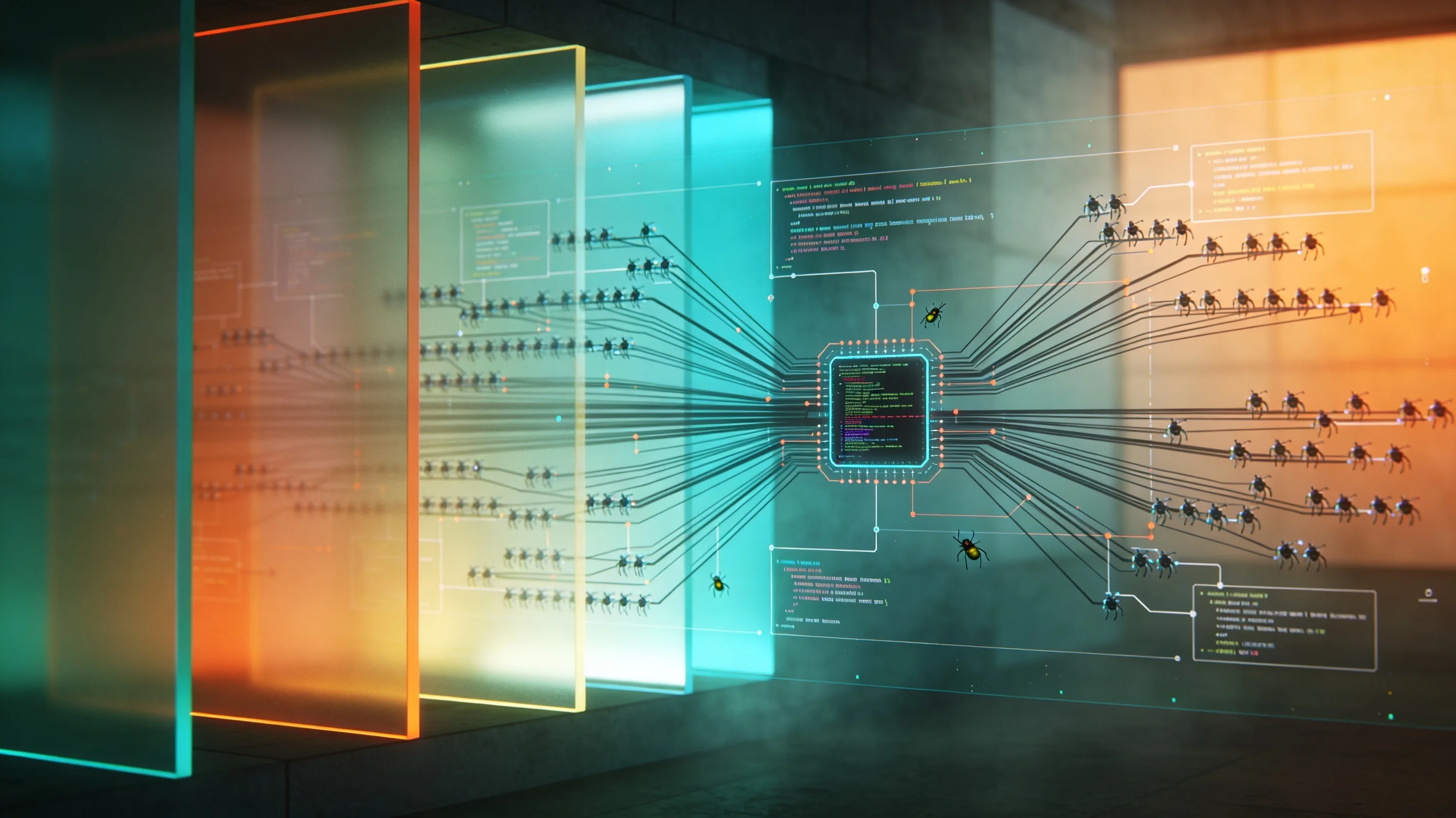
Anthropic released Claude Opus 4.8 this week with upgrades focused on tool calling, code review, and agentic workflows. The model now handles migrations across hundreds of thousands of lines of code and runs hundreds of parallel subagents within one session through a feature called Dynamic Workflows in Claude Code. According to the company, Opus 4.8 catches uncommented code bugs four times more reliably than its predecessor — a 75% reduction in missed defects.
The parallel subagent capability marks a shift in how Claude handles complex automation. Where earlier versions processed tool calls sequentially or in small batches, Opus 4.8 can orchestrate hundreds of concurrent agents within a single conversation thread. That architecture is designed for large-scale refactoring and multi-step workflows that previously required manual coordination or external orchestration layers.
On benchmarks, Opus 4.8 scores 84% on Online-Mind2Web — Anthropic's claim for the highest browser-agent result to date — and sets a new record on the Legal Agent Benchmark. The company says it outperforms GPT-5.5 on Super-Agent, though it did not publish head-to-head numbers. Browser-agent performance has become a key differentiator as vendors compete to automate web navigation and form filling, tasks that require both vision and multi-step planning.
Users on claude.ai can now dial reasoning depth via Effort Control, a slider that trades latency for thoroughness. A new Fast mode runs at one-third the cost of the standard tier, priced at $5 per million input tokens and $25 per million output tokens.


