

ChatGPT Dreaming synthesizes memory from chat history, cuts compute costs fivefold
OpenAI rolled out Dreaming, a background process that synthesizes ChatGPT's memory from chat history instead of storing static facts, cutting compute costs fivefold.
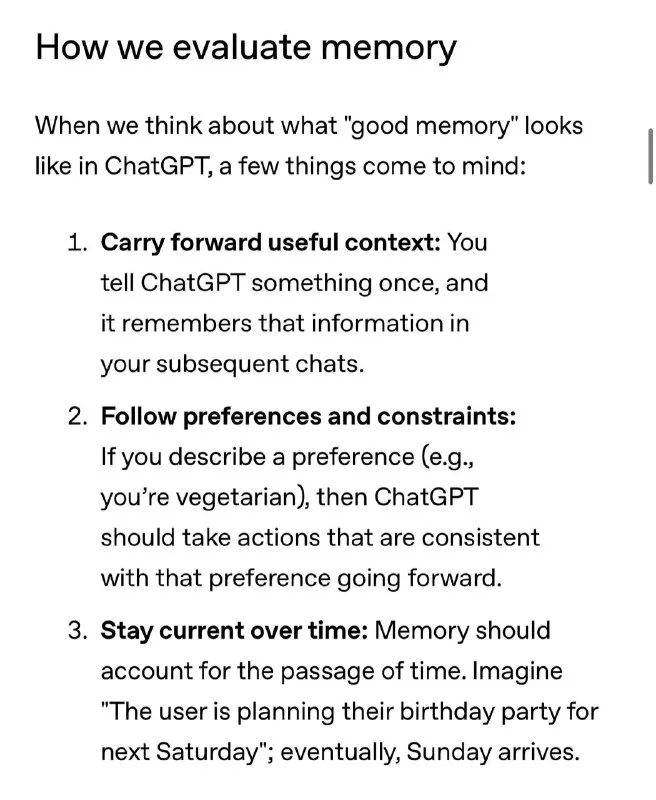
ChatGPT's memory system now rewrites itself in the background, replacing a static fact list with a continuous synthesis process that tracks how user context evolves over time.
The feature, called Dreaming, scans chat history to update memory entries automatically. If a user mentioned planning a trip to Singapore in May, the system will later revise that entry to "user visited Singapore in July 2025" once the trip concludes. OpenAI describes the shift as moving from a ledger of disconnected facts—often stale or misapplied—to a living state that reflects current reality.
OpenAI has tested Dreaming internally for months but held back on a public launch until compute costs dropped. According to the company's official announcement, the computational expense dropped roughly fivefold, making the feature viable at scale. The rollout began this week for Plus and Pro subscribers in the United States; other regions and tiers are slated to follow soon.
Dreaming runs passively while users interact with ChatGPT, so no manual memory edits are required. The system decides which facts to keep, which to update, and which to discard based on recency and relevance signals in the conversation log. OpenAI has not disclosed the model or architecture powering the synthesis step, though the cost reduction suggests inference optimizations or a smaller distilled model handling the background pass.


