

Nextdoor uses GPT-5.5 Codex to pinpoint cross-platform bugs without local reproduction
Nextdoor's engineering team is using OpenAI's Codex powered by GPT-5.5 to investigate hard-to-reproduce bugs and accelerate cross-platform development.
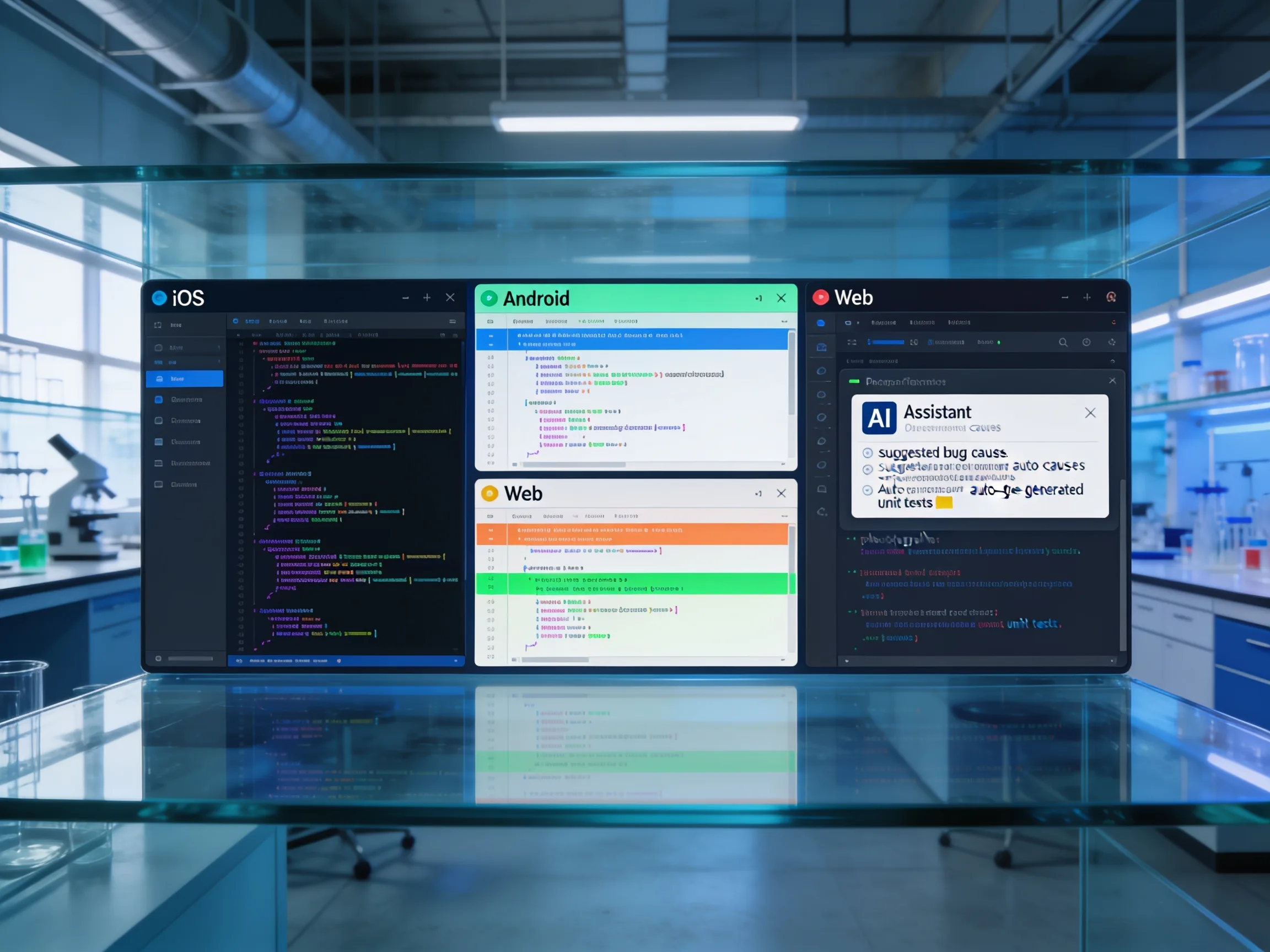
Nextdoor engineers are deploying OpenAI's Codex, now powered by GPT-5.5, to debug issues that are difficult to reproduce locally and to accelerate cross-platform development. The tool integrates directly into their development environment, helping teams investigate edge-case bugs across mobile and web platforms while reducing time spent context-switching between codebases.
Codex suggests likely causes by analyzing differences in platform-specific code paths—when a bug surfaces on iOS but not Android, for instance. The tool also generates unit tests and integration scaffolds, freeing engineers to focus on feature logic rather than boilerplate setup. Engineers report that GPT-5.5's improved reasoning over complex stack traces and better accuracy on platform-specific APIs has shortened the time from bug report to fix.
Cross-platform debugging workflow
Rather than manually tracing code paths across iOS, Android, and web implementations, Nextdoor engineers can now feed Codex a stack trace or reproduction steps and receive ranked hypotheses about root causes. The tool also generates test scaffolds tailored to each platform's conventions, reducing setup friction. This approach reflects a broader shift in how teams approach cross-platform development, moving from manual investigation to AI-assisted triage.
OpenAI published the case study on its official blog this week.


