

SpaceX acquires Cursor for $60 billion; Zhipu releases GLM 5.2 with million-token context
SpaceX closed a $60 billion acquisition of Cursor, the AI code editor. Separately, Zhipu released GLM 5.2, an open-weight model with one-million-token context under MIT license, while Midjourney announced a medical hardware division.
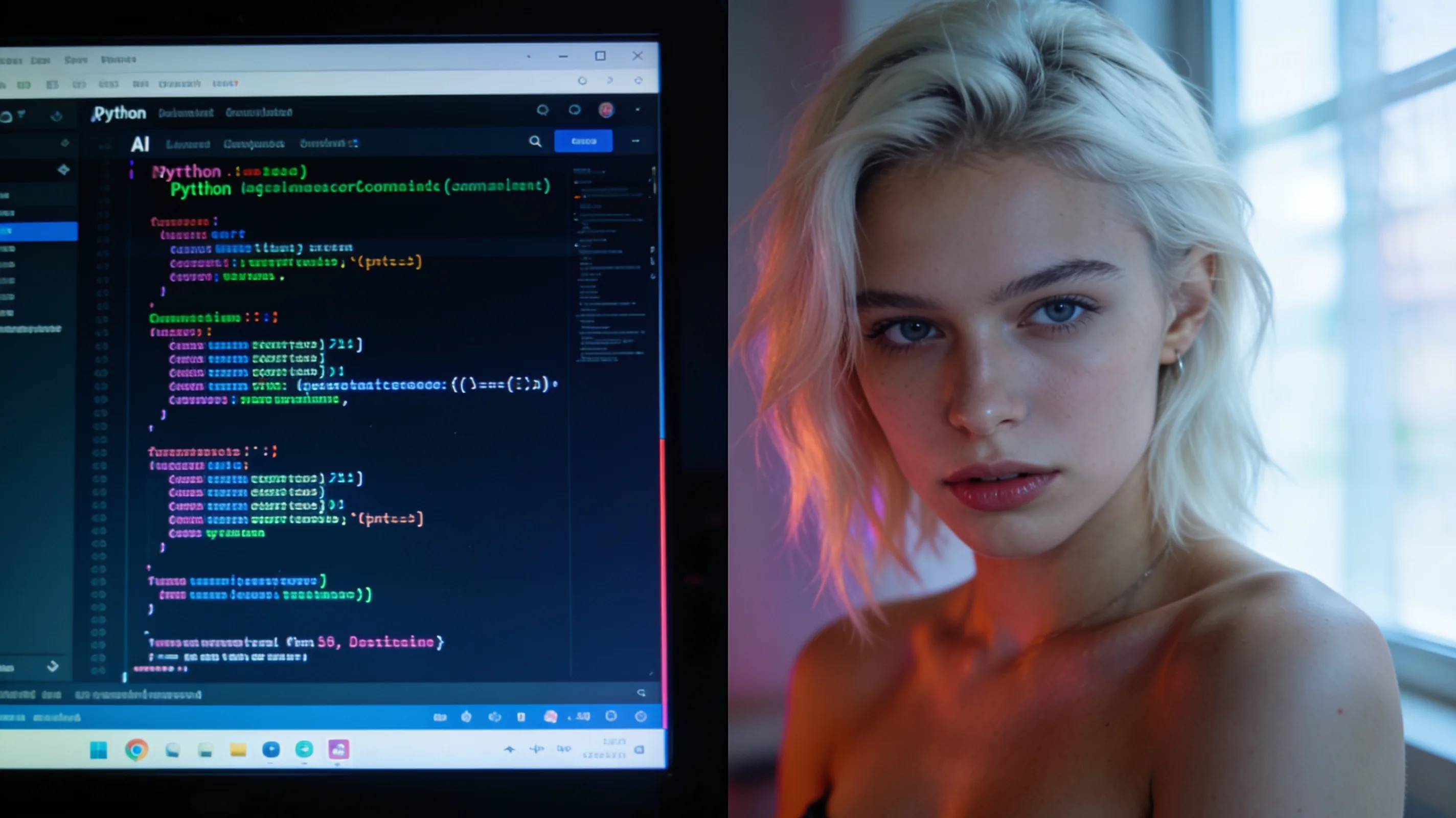
SpaceX has acquired Cursor, the AI code editor, for $60 billion—the largest deal in the AI developer tools space. The transaction marks SpaceX's first major software acquisition and signals a strategic bet on AI-native development infrastructure.
Cursor, which launched its AI-powered IDE in 2023, has grown rapidly among developers using large language models for code generation and refactoring. The $60 billion valuation dwarfs previous AI tooling exits and places Cursor among the most valuable developer platforms ever acquired. SpaceX's move suggests the company is building an in-house AI development stack rather than relying on third-party editors and API wrappers, potentially to support mission planning, satellite network optimization, and autonomous systems.
Zhipu released GLM 5.2 this week, an open-weight coding model with a one-million-token context window. The model ships under an MIT license and maintains the same API pricing as GLM 5.1. Zhipu adjusted the architecture to support extended context while preserving inference speed, positioning GLM 5.2 as a leading open-weight option for long-context code tasks.
In video generation, Seedance 2.0 Mini launched with 2× the speed of the prior Fast tier and a 30 percent price reduction. The mini variant targets users who need quick turnaround on shorter clips.
Noam Shazeer, co-inventor of the Transformer architecture, left Google for OpenAI this week. Shazeer had returned to Google two years ago when the company acquired Character AI for $2.7 billion—a deal widely understood as a mechanism to bring him back after his 2021 departure. His move to OpenAI reverses that reunion and adds a high-profile researcher to OpenAI's teams.
Midjourney announced a medical hardware division and plans to open an imaging center in San Francisco. The company is developing a wearable ring scanner for full-body ultrasound imaging. CEO David Holz, who previously built gesture-control hardware at Leap Motion, is leading the hardware effort.


