

Meta Superintelligence Lab releases Muse Image and Video with code-generation and self-correction
Meta's renamed research division released Muse Image and Muse Video, successors to Emu that integrate diffusion and LLM layers to write Python code, parse web references, and self-correct generation errors.
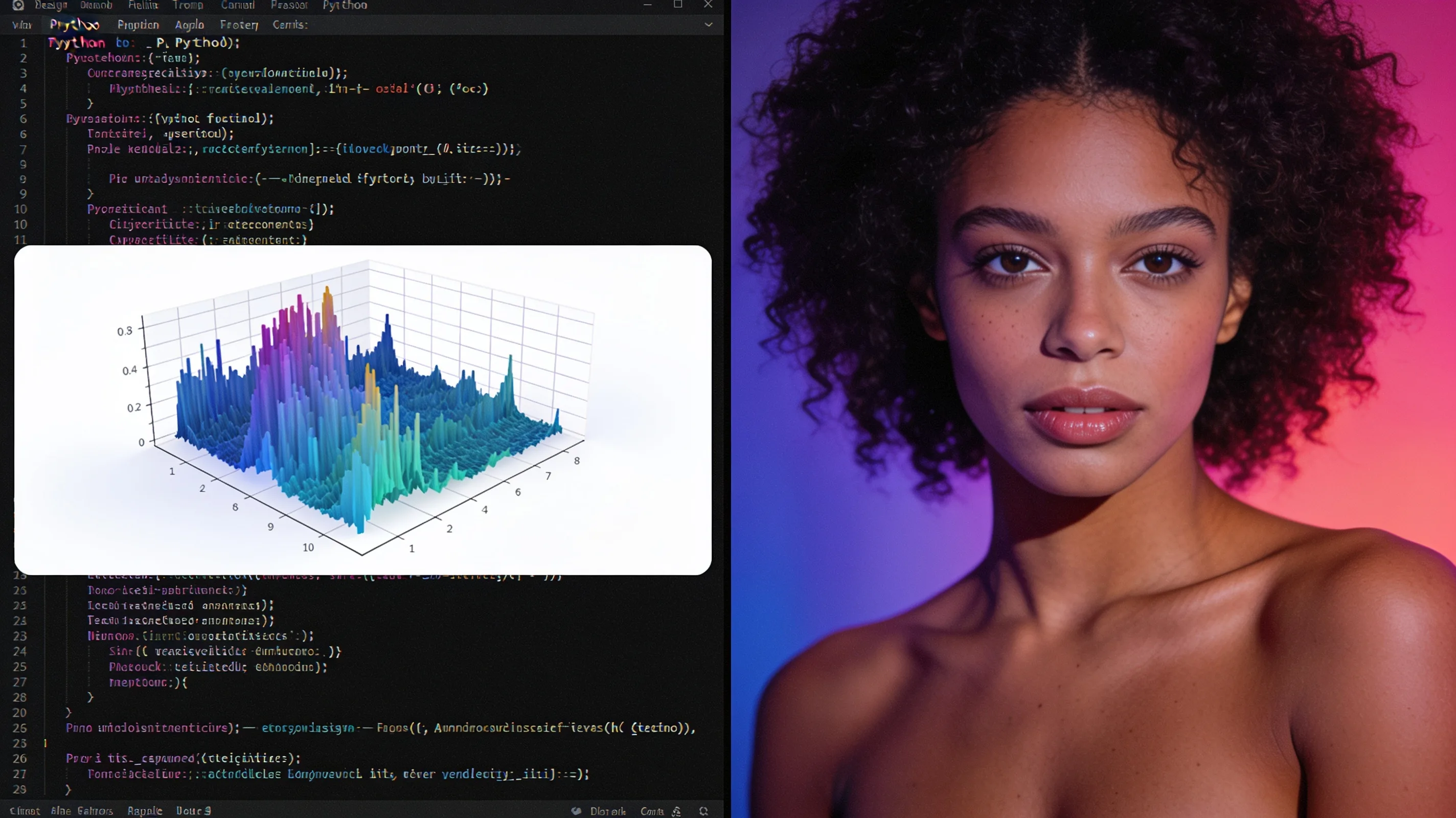
Meta Superintelligence Lab—the newly renamed Meta GenAI division—released Muse Image and Muse Video this week, a pair of multimodal generators that tightly couple diffusion models with large language models. The architecture shares layers between the two systems, letting Muse write Python code to generate fractals or charts, parse web references for visual context, and embed the rendered output directly into images. The approach resembles GPT-Image and Nano Banana, but Meta says the reasoning component runs deeper.
Muse Image landed second on the text-to-image arena leaderboard, narrowly ahead of Nano Banana 2 and Reve-2, though Reve-2.1—released a day later—already overtook it. On the image-edit arena Muse sits second, edging out MAI-image-2.5. The model can generate infographics by first plotting data in Python and then composing the chart into a styled layout, or build restaurant menus by rendering HTML and placing the result in the final image. Meta claims the self-correction capability—where the model generates multiple candidates and picks the best—emerged spontaneously during reinforcement learning, a behavior the team did not explicitly engineer.
Muse Video ranks in the top three on video leaderboards, ahead of Alibaba's HappyHorse, though it lacks the agent layer present in the image variant. Both models are live on the arena and in the U.S. Instagram app; European availability remains unscheduled. The release drew immediate criticism for a default-on feature that generates user faces from Instagram handles without explicit consent—an unusual privacy misstep for a company that typically moves cautiously in this space. No paper or model weights have been announced; whether Meta open-sources Muse or keeps it API-only will determine how quickly the community can replicate the Python-code embedding workflow and test the claimed emergent self-correction at scale.


