
Carnegie Mellon study: 99% of professional artists reject AI, yet it infiltrates their workflows anyway
A Carnegie Mellon study of 378 verified professional visual artists found 99% dislike generative AI, 85% don't use it at work, and 88% avoid image generation tools—though AI artifacts still reach them through client briefs and mood boards.
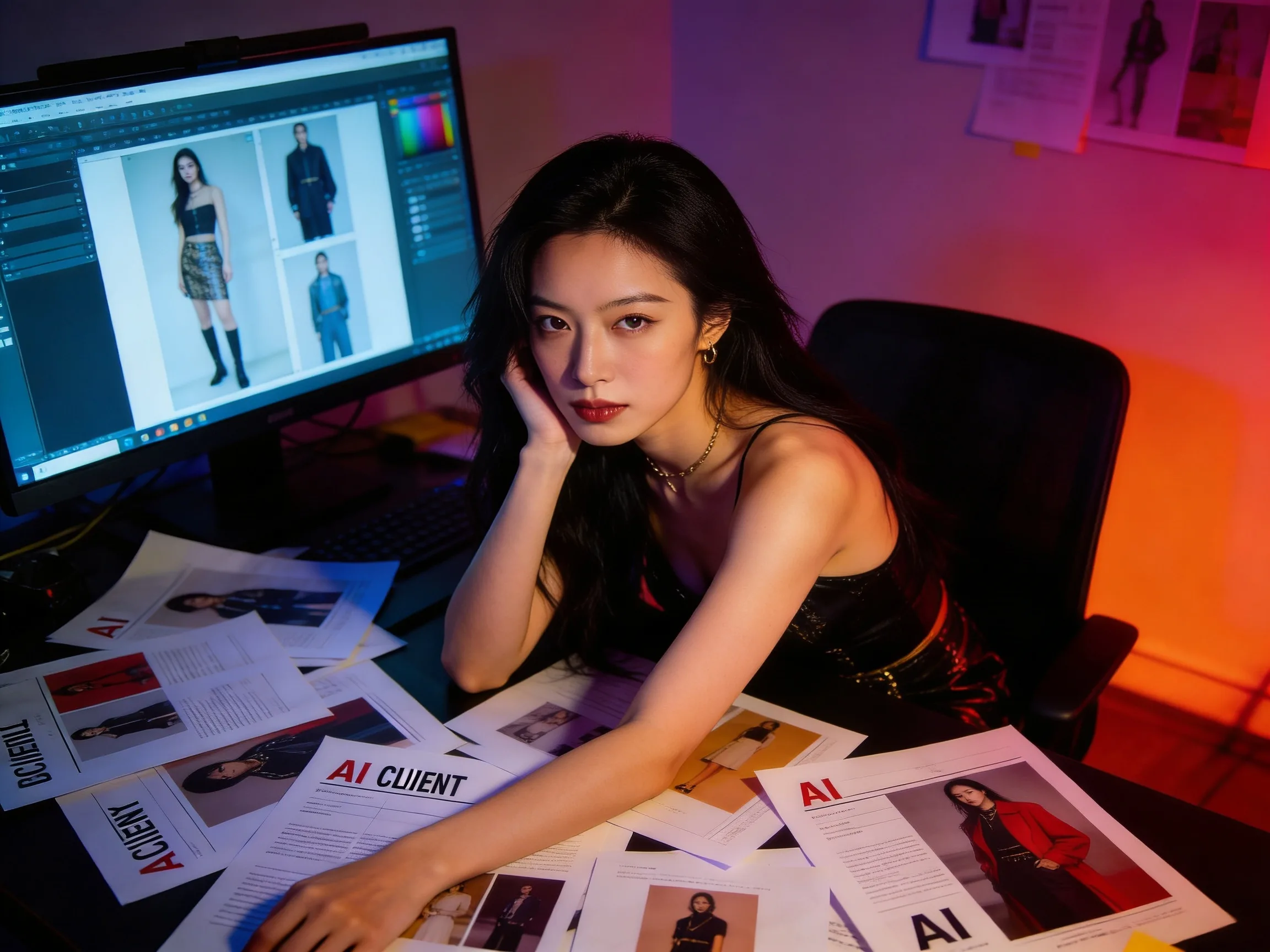
A Carnegie Mellon University study of 378 verified professional visual artists found that 99 percent dislike generative AI, 85 percent don't use it in their work, and 88 percent avoid AI image generation tools entirely. Released this week, the preprint surveyed professionals across illustration, concept art, graphic design, and fine art to measure how the technology has landed in working creative practice.
The numbers paint a picture of categorical rejection. Yet the study also notes a paradox: even artists who refuse to touch AI tools encounter AI-generated images daily. Clients send AI outputs as references, managers deliver AI mood boards, and briefs arrive with instructions like "make it look like this, but better, in our style." The technology enters the workflow whether the artist consents or not.
What stands out
- 01Near-total rejection among professionals. 99 percent of surveyed artists reported negative sentiment toward generative AI. That's not a majority—it's statistical consensus. The 85 percent non-use rate for work and 88 percent non-use for image generation suggest the hostility isn't abstract; it's behavioral.
- 02AI reaches artists through the supply chain. The study highlights that artists who never open Midjourney or FLUX still handle AI artifacts in briefs, reference packs, and client deliverables. The tool may be off their desktop, but it's in their inbox.
- 03Geography flips the numbers. A Moscow Creative Industries Academy and MTS AI study found 43 percent of Russian creative professionals use neural networks regularly, 68 percent view them positively, and 92 percent plan to increase use. A separate MWS AI and Kaspersky Lab study reported 69 percent of Russian designers use generative AI on a constant basis. The Carnegie Mellon sample was global but English-language-skewed; the Russian data suggests cultural and market variables matter.