
Anima model excels at backgrounds but falters on multi-character scenes
A ComfyUI user reports Anima delivers stronger environment detail than Illustrious or Pony but struggles when rendering more than one character, raising questions about regional prompting workarounds.
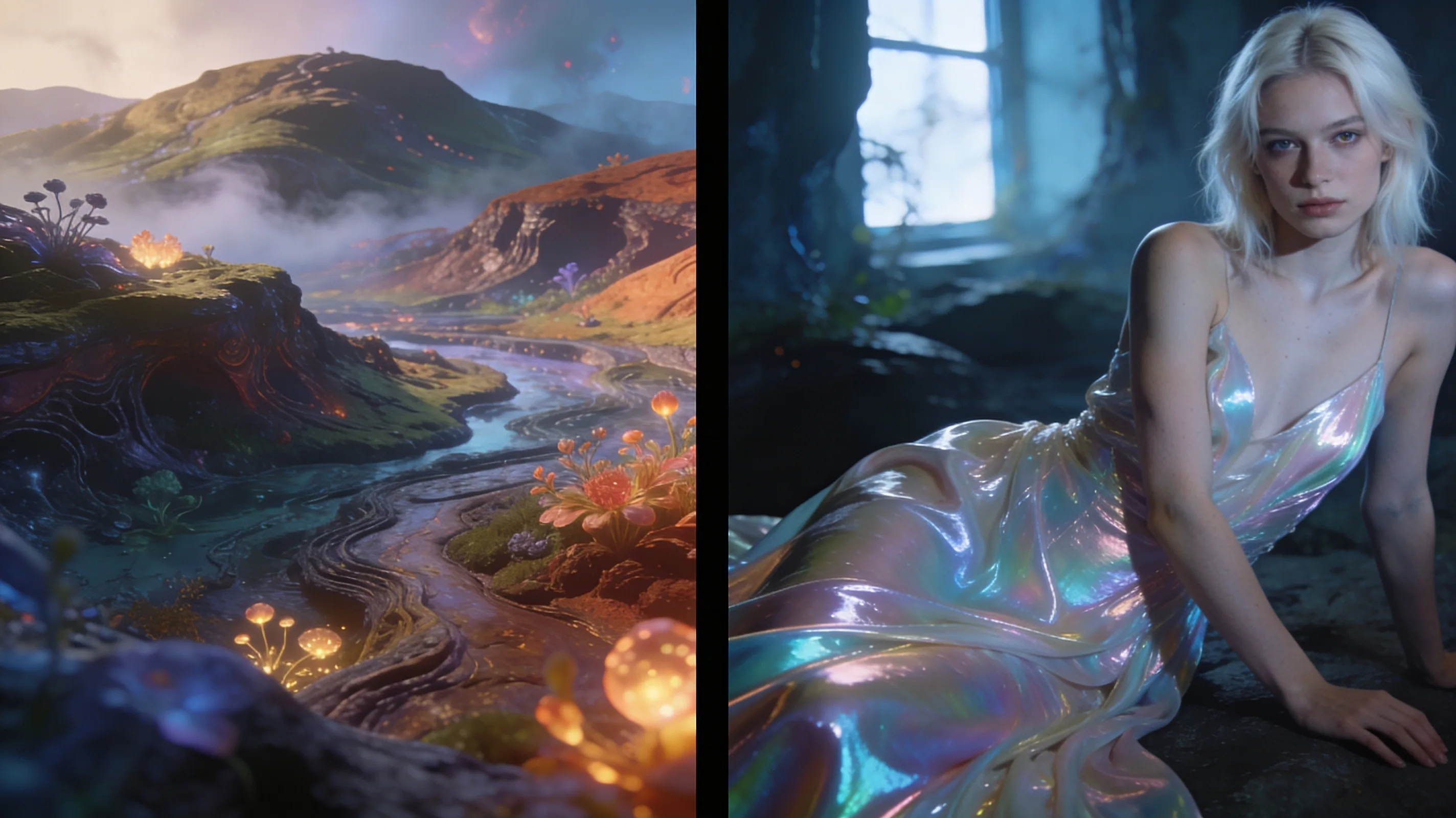
Anima, a Stable Diffusion checkpoint gaining traction in the ComfyUI community, is drawing praise for background and environment detail that users say outpaces Illustrious and Pony models. One practitioner testing the model this week noted the hybrid prompting system—mixing Gelbooru-style tags with natural language—works well for single-subject compositions but breaks down when the scene includes multiple characters.
The user reported that multi-character outputs from Anima show noticeably lower consistency compared to what Illustrious and Pony deliver in the same scenario. That gap is significant for workflows that rely on group shots, character interactions, or crowd scenes. The hybrid prompting flexibility that makes Anima appealing for solo subjects doesn't appear to extend cleanly to spatial coordination when two or more figures share the frame.
Regional prompting techniques—using attention masks or latent-space conditioning to assign different prompt fragments to different areas of the canvas—are a common fix for multi-subject coherence in other checkpoints. Whether Anima responds well to those methods remains an open question. Some ComfyUI nodes support region-based workflows out of the box, but model-specific tuning often matters more than the tool itself.
If Anima's training data skewed toward single-subject images with rich backgrounds, the multi-character weakness would track with that bias. The next checkpoint update or a dedicated LoRA for character interaction could close the gap, but for now practitioners working on group compositions may still reach for Illustrious or Pony when layout coherence matters more than environmental fidelity.