
Wan 2.2 Remix i2v workflow produces static frames despite motion prompts
Early adopters report Wan 2.2 Remix image-to-video workflows generate high-quality frames with minimal motion, even when prompts explicitly request action.
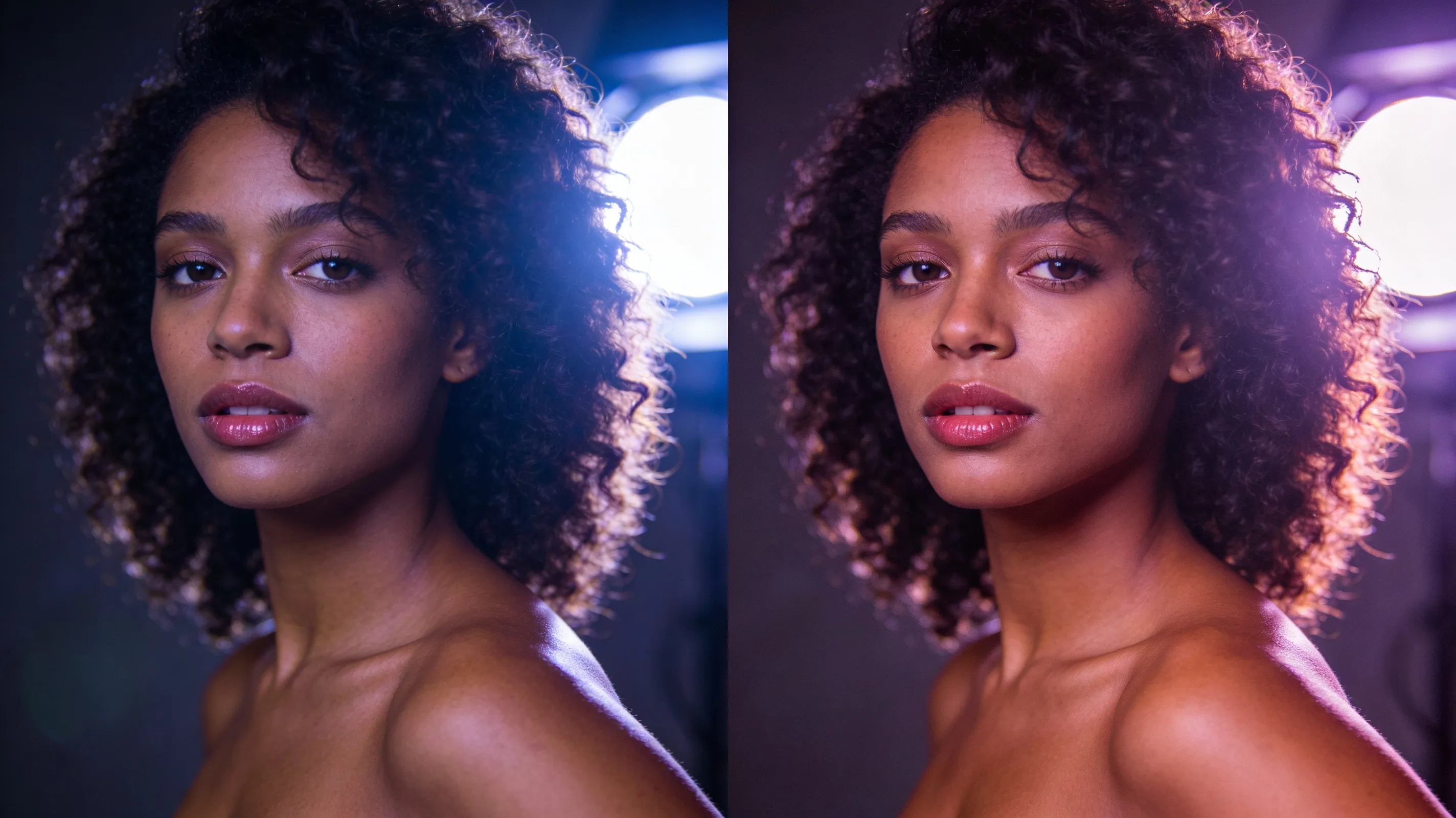
Wan 2.2 Remix, Kuaishou's open-weight video model, is delivering high-fidelity frames in image-to-video workflows but failing to produce the motion users expect. Multiple practitioners testing the i2v pipeline this week report that generated clips resemble animated stills — subjects blink, shift weight, or tilt their heads, but don't perform the actions described in prompts. One user attempting to animate an explicit two-figure scene found that while both subjects remained visible and the woman adjusted her posture slightly, the male figure only blinked and breathed across the entire clip despite varied prompt engineering and LLM-assisted rewrites.
The issue appears consistent across different prompt styles and seed values. Users have ruled out obvious workflow errors — the model loads, the pipeline runs, and output quality is visibly strong — but motion remains confined to micro-movements. The model card on HuggingFace lists motion control as a core capability, and earlier Wan releases handled dynamic scenes without this constraint, suggesting either a regression in the 2.2 Remix checkpoint or an undocumented change in how the i2v conditioning layer interprets motion cues.
Kuaishou has not yet commented on the reports. If the issue stems from a misconfigured i2v sampler or an incomplete fine-tune of the motion module, a patch release could restore the expected behavior. Until then, practitioners looking for animated output from static frames may need to fall back to Wan 2.1 or test alternative open-weight video models like LTX or Hunyuan.