

gemini-web2api routes Gemini web UI through OpenAI-compatible wrapper
A Python tool exposes Google's Gemini web interface as an OpenAI-compatible API endpoint, letting developers integrate Gemini into existing workflows without rewriting code.
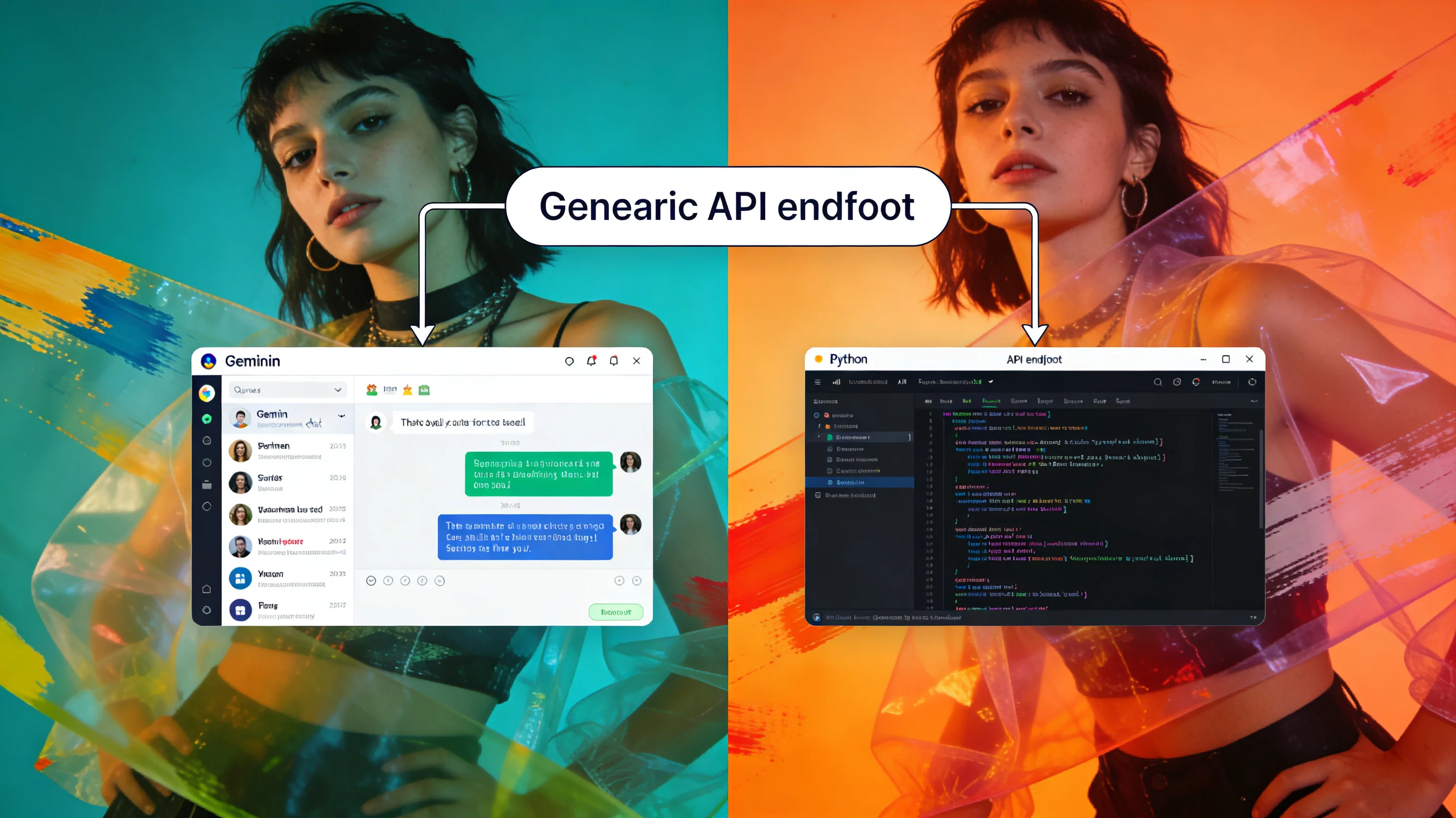
gemini-web2api is a Python utility that converts Google's Gemini web interface into an OpenAI-compatible API endpoint. The tool routes requests through the browser-based Gemini chat rather than Google's official API infrastructure, providing an alternative access path for developers who want to integrate Gemini responses into existing OpenAI-shaped workflows.
By mimicking browser sessions, the wrapper sidesteps rate limits and authentication flows tied to official API keys. Developers can point existing code that expects OpenAI's request-response structure at the wrapper and receive Gemini outputs without rewriting integration logic. The trade-off is stability—web UIs change without notice, and session management through a browser automation layer introduces latency and failure modes that official APIs avoid.
Web-to-API bridges occupy a gray zone in the model access ecosystem. They're useful for prototyping and for users who hit quota walls on official tiers, but they violate terms of service in most cases and can break without warning when vendors update their front-end code. Google's Gemini API already offers free and paid tiers, making the wrapper's value proposition narrow—it's most relevant for developers who need to stay within OpenAI-shaped tooling or who want to bypass specific rate limits on the official endpoint. The tool is distributed as an open repository on GitHub with no formal versioning or release schedule announced, joining a growing catalog of unofficial API wrappers for closed models including similar tools for Claude and ChatGPT.


