

Developer releases Claude auto-research loop to enforce consistent task execution
AlexWortega open-sourced claude-autoresearch-skill, a Python wrapper for Claude Opus 4.8 that automates multi-step research workflows and enforces output quality across repeated turns.
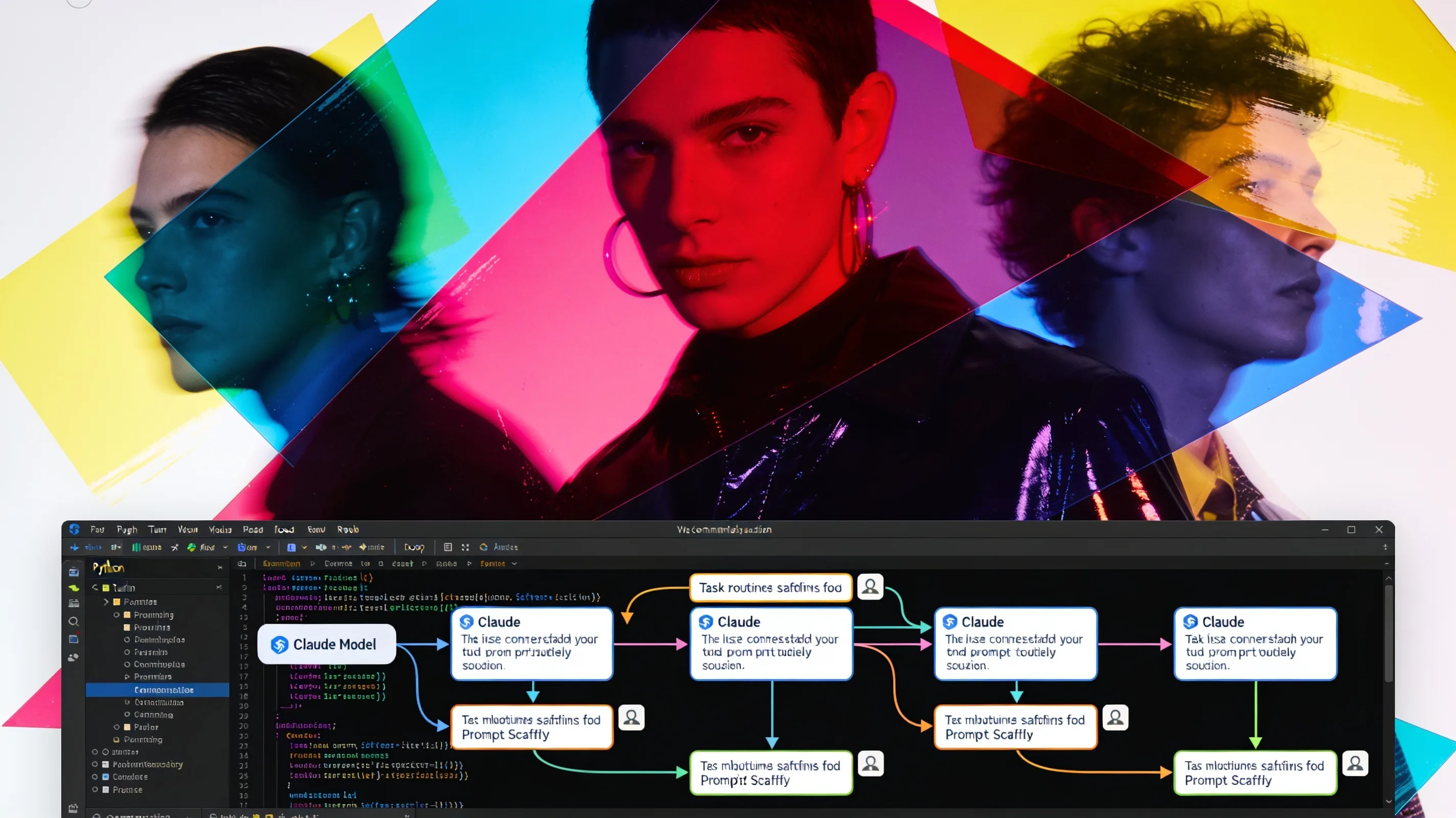
The real work in AI automation has shifted to finding the right leverage points where scaffolding can extract reliable results from frontier models. This week, a developer released claude-autoresearch-skill on GitHub—a Python tool that wraps Claude Opus 4.8 in a multi-turn loop designed to execute research tasks without manual intervention.
AlexWortega built the harness as a workaround for what he describes as inconsistent output from the latest Opus release. The GitHub repo includes task-routing logic and prompt structures designed to keep Claude on-task across multi-turn workflows. The code is MIT-licensed and available for practitioners to test and fork. No benchmarks or eval numbers are provided, but the implementation is live and open to contribution.
The release is part of a broader B2B AI SaaS project the developer plans to detail soon. He's currently running the system on legacy V100 and Ampere GPUs around the clock. The pattern reflects a growing trend in the open-source LLM space: developers building scaffolding around frontier models to enforce consistent behavior when the base API alone doesn't deliver the required reliability.


