
You've decided you want a Pony-base model. Good — that means you've already worked through the score-tag prompting question, accepted that the rating axis is a real lever you'll be pulling on every generation, and concluded that Pony's named-character coverage and pose vocabulary beat what you'd get from a vanilla SDXL fine-tune. The remaining question is which Pony fine-tune fits your specific output register. A "Pony fine-tune" in this article means any model whose base is Pony Diffusion XL V6 — it inherits SDXL architecture, score-tag prompt conditioning, the 1:1 SFW / Questionable / Explicit training split, and Pony's character and pose coverage. For the base model deep-dive see /learn/pony-diffusion-v6-xl, and for the photoreal fork that anchors Tier 2 below see /learn/cyberrealistic-pony (published yesterday). This piece is the use-case-tiered map across the rest of the lineage.
What "Pony Fine-Tune" Means In 2026
Pony Diffusion XL V6 is an SDXL-base model trained on roughly 2.6 million images with a custom score-tag conditioning system and a deliberate 1:1:1 split between SFW, Questionable, and Explicit-rated training data. Those four properties — SDXL architecture, score-tag prompting, character/pose vocabulary, and explicit rating axis — are what define the lineage. A "Pony fine-tune" in 2026 is any checkpoint whose base is Pony V6 and which inherits all four. The fine-tune can shift the aesthetic register dramatically (anime to DSLR photoreal is the typical span), but the prompt format stays identical. You still type score_9, score_8_up, score_7_up at the front of every prompt. You still get rating_safe / rating_questionable / rating_explicit as a real conditioning lever. You still get reliable character knowledge from Pony's training corpus.
This matters because not every SDXL model with strong NSFW behavior is a Pony fine-tune. Pure-SDXL photoreal merges like Juggernaut or RealVisXL don't share the score-tag system. They take natural-language prompts and behave like vanilla SDXL with extra realism baked in. They're SDXL, but they're not Pony — using them with score_9, score_8_up will at best ignore those tokens and at worst confuse the model. Likewise the Illustrious and NoobAI families are SDXL-base anime models with strong character coverage, but they use plain Danbooru-tag prompting (no score prefix), so they're a parallel lineage rather than a Pony branch. If you want that lineage instead, see our Illustrious-family rundown in the anime listicle.
The practical implication: when you switch between any two models in the picks below, your prompt template stays the same. You change one checkpoint file, and the model you load resolves the same prompt to a different aesthetic — anime-cel, refined anime, DSLR-cool photoreal, warm photoreal, NSFW-specialty. The score tags work. The rating axis works. The character names work. That portability is the entire point of the Pony lineage as a base.
The Pony V6 / V7 Split — What This Article Anchors On
V6 is the dominant lineage that every model in this article builds on. It's been the de-facto Pony base from late 2023 through early 2026, and the entire ecosystem of fine-tunes, LoRAs, and merges sits on top of it. V7 shipped in April 2026 on AuraFlow base instead of SDXL — that's a deliberate architecture jump on the upstream side, and it broke compatibility in two directions at once. V6 LoRAs don't load on V7. V6 checkpoint merges don't carry over. The score-tag system was retained but the rating tags were rebalanced and the captioning vocabulary expanded, which means even prompts that "work" on both can resolve to noticeably different outputs.
What that means for you: as of May 2026, almost no fine-tunes have been re-built on V7 yet. The community is still figuring out what the new base wants, training infrastructure for AuraFlow isn't as mature as for SDXL, and hardware requirements are different. The V6 ecosystem isn't going anywhere — it's the stable, broad, well-documented option, and that's what this catalog and this article cover. V7 derivatives are a separate conversation that hasn't matured. We'll write a V7 article when there's a V7 ecosystem to write about. There isn't one yet.
If you're new to the family and trying to decide which version to start with, V6 is the answer. The fine-tunes are real, the LoRAs are abundant, the documentation is settled, and every model in this list is something you can download and run today.
The Score-Tag Prompt Syntax (Brief Refresher)
Every Pony fine-tune below uses the same prompt structure. Score tags first, source tag, rating tag, then your subject. Example:
`` score_9, score_8_up, score_7_up, source_anime, rating_safe, 1girl, long brown hair, denim jacket, standing in front of red brick wall, soft afternoon light ``
Three things to notice. First, score_9, score_8_up, score_7_up is a stack — you're telling the model "draw from the score-9 distribution, plus everything score-8-and-up, plus everything score-7-and-up." Dropping any of them narrows the quality pool the model samples from. Second, source_anime (vs source_pony, source_furry, source_cartoon) tells the model which of its training subsets to lean on; this matters even on photoreal fine-tunes because the underlying base still has those subsets weighted in. Third, rating_safe is the rating lever — swap it for rating_questionable or rating_explicit and the model's posture shifts on that axis without you needing any other prompt change.
Every pick below uses this exact syntax. The fine-tunes don't change the prompt format. They change the aesthetic register the prompt resolves to.
How We Picked These (Use-Case Tiered)
Three filters. First, in our catalog and currently published — we're not pointing at models we don't host. Second, V6-lineage — every pick descends from Pony Diffusion XL V6 and retains the score-tag prompting and rating-axis behavior described above. Third, tiered by output register, not VRAM. All ten picks are SDXL footprint. They run on the same hardware, with roughly the same VRAM ceiling (8 GB minimum, 12 GB comfortable, 16 GB or more for batch work). Picking on hardware would be useless because hardware doesn't differentiate the picks. What differentiates them is what they look like.
So the tiers below are: anime / stylized, photoreal, NSFW-forward specialty, hybrid architecture. Inside each tier we list the picks in rough order of how broad the community is, not how good they are. Smaller-community picks aren't worse — they're more specific.
The Picks (Tiered By Output Register)
Tier 1 — Anime / Stylized (Pony V6 + Anime-Forward Variants)
Pony Diffusion XL V6 is the lineage anchor and the obvious starting point. Use the unmodified base when you want maximum compatibility with LoRAs and embeddings (everything in the Pony LoRA ecosystem was trained against V6, so V6 is where adapter quality is highest), when you want predictable score-tag behavior without a fine-tune's stylistic drift on top, or when you're building a stack that other Pony fine-tunes will sit on top of (img2img passes, ControlNet pipelines). The aesthetic is cel-shaded anime with a slight Pony-specific stylization — it's not a clean Animagine-style cel, it has a recognizable look. If that look is what you want, the base is the base. If you want it cleaner or more refined, go down a level to one of the fine-tunes.
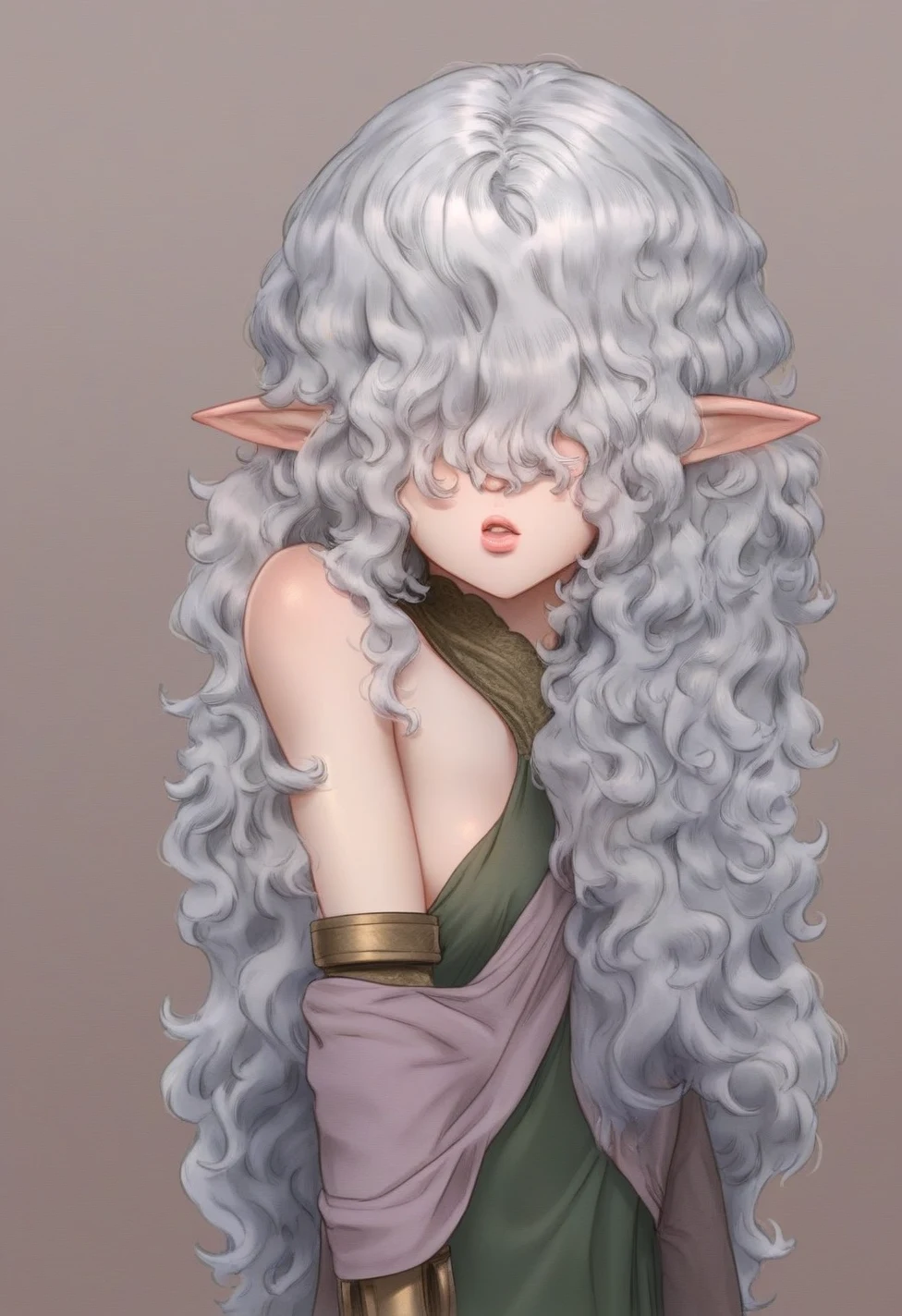
Prefect Pony XL is the refined-aesthetic pick. Smaller community than the base, but consistent fans for a reason: it cleans up the cel rendering, tightens anatomy, and produces output that feels less "Pony-stylized" and more like generic high-quality anime. If you've been frustrated by the base feeling slightly off-model on faces or hands, Prefect is the first thing to try. The trade-off is that some of the named-character knowledge is slightly muted compared to vanilla V6 (the fine-tune pulled the model's distribution toward generic-anime), so for obscure characters you may still want to drop back to base.


WAI Ani PonyXL is the WAI team's Pony-base anime variant. Position it relative to their better-known WAI Illustrious release: the Illustrious version uses plain Danbooru tag prompting and sits in that family's lineage; this Pony-base version keeps score-tag prompting and Pony's character coverage. So if you've used WAI Illustrious and liked its render style but you specifically want score-tag prompting (because your prompt library is built around it, or because you want the rating axis), the Pony-base WAI is the way to keep the WAI aesthetic while staying in the Pony ecosystem. Community is smaller than the Illustrious sibling, but the model is solid.
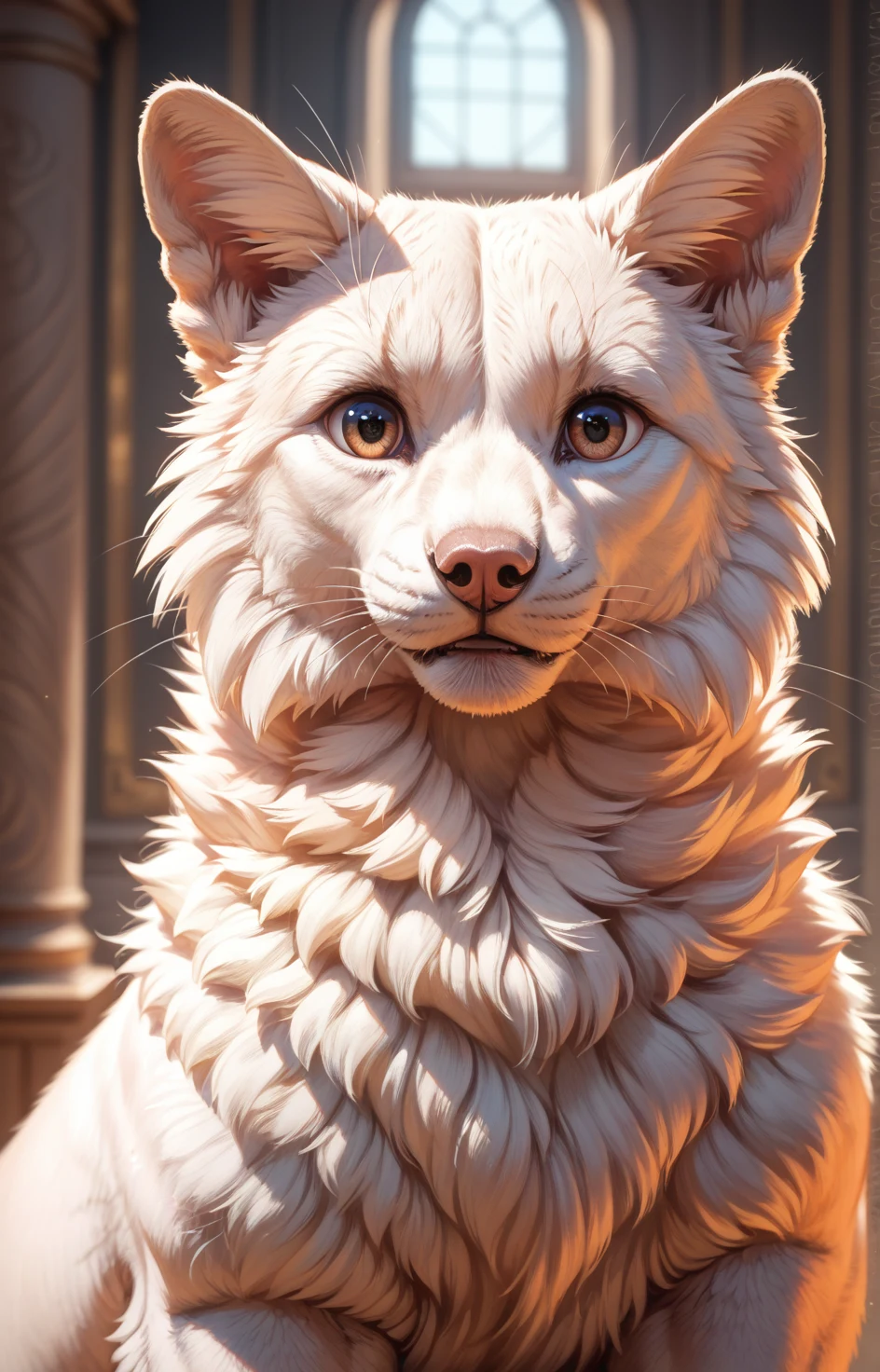

Bolero Mix Pony is a stylized mix with a distinct color register — warmer, slightly less saturated, with rendering that leans more illustrative than cel. It's a niche pick. If you've tried the three above and the colors all feel the same to you, Bolero is what you reach for next. Small community, specific aesthetic.
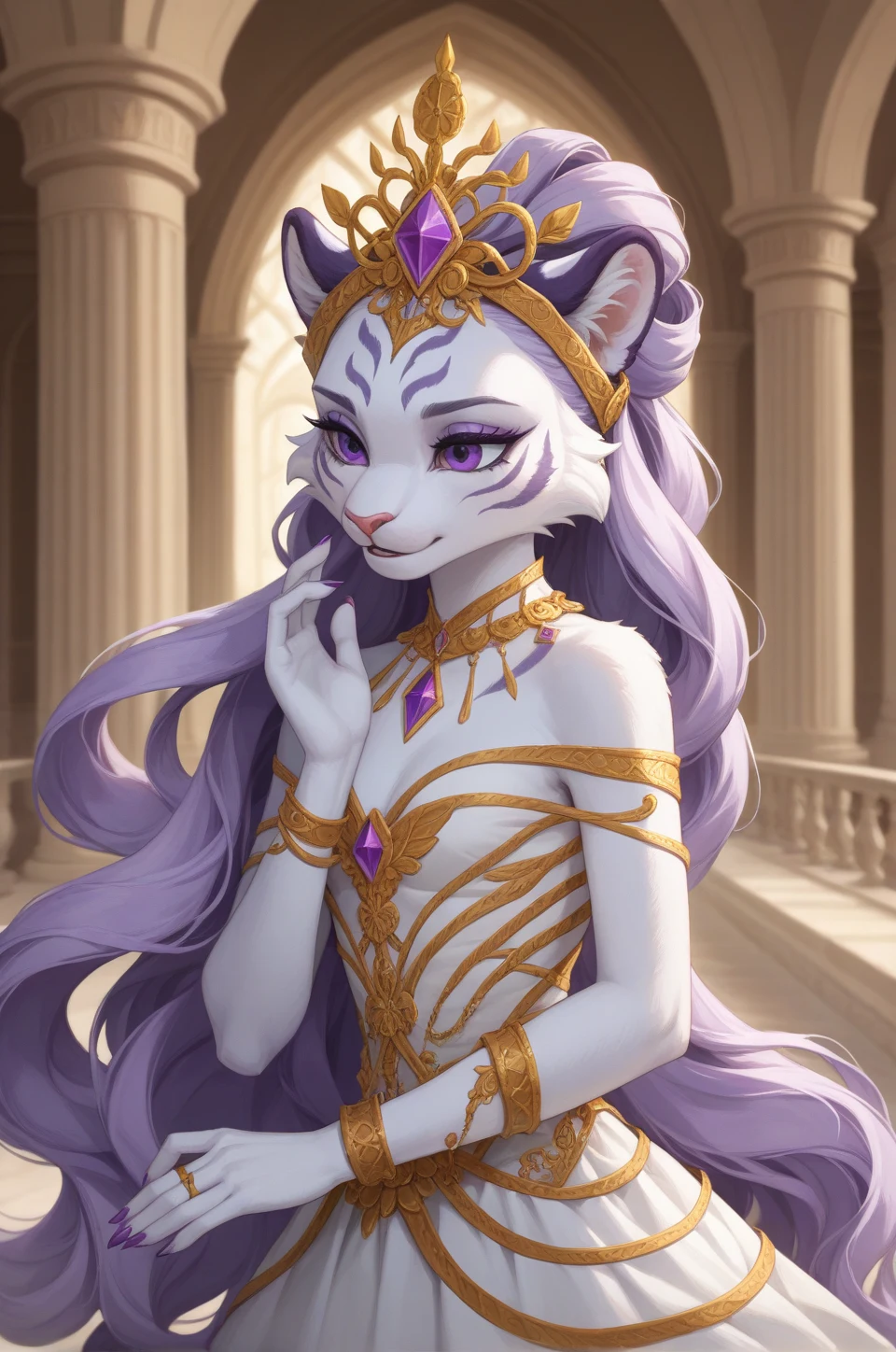

Tier 2 — Photoreal (Pony Score-Tag + DSLR / Realism Output)
This is where the Pony lineage gets interesting from an outside perspective: you keep score-tag prompting and Pony's pose/character vocabulary, but the model resolves prompts to photoreal output instead of anime. Two dominant forks live here, plus two smaller alternatives.
Cyberrealistic Pony by Cyberdelia is the DSLR-cool fork. The aesthetic is cool-toned, slightly desaturated, with skin-tone and lighting that read as genuinely photographic — the kind of image that, at thumbnail size, you'd guess came out of a camera rather than a diffusion model. Strong on environmental detail, strong on hair rendering, particularly good for portrait and three-quarter-body framings under studio-style lighting. We deep-dived this one yesterday at /learn/cyberrealistic-pony — read that if you want the long-form breakdown of when to pick it. For this listicle: if you want photoreal Pony with a cool DSLR register, this is the default.
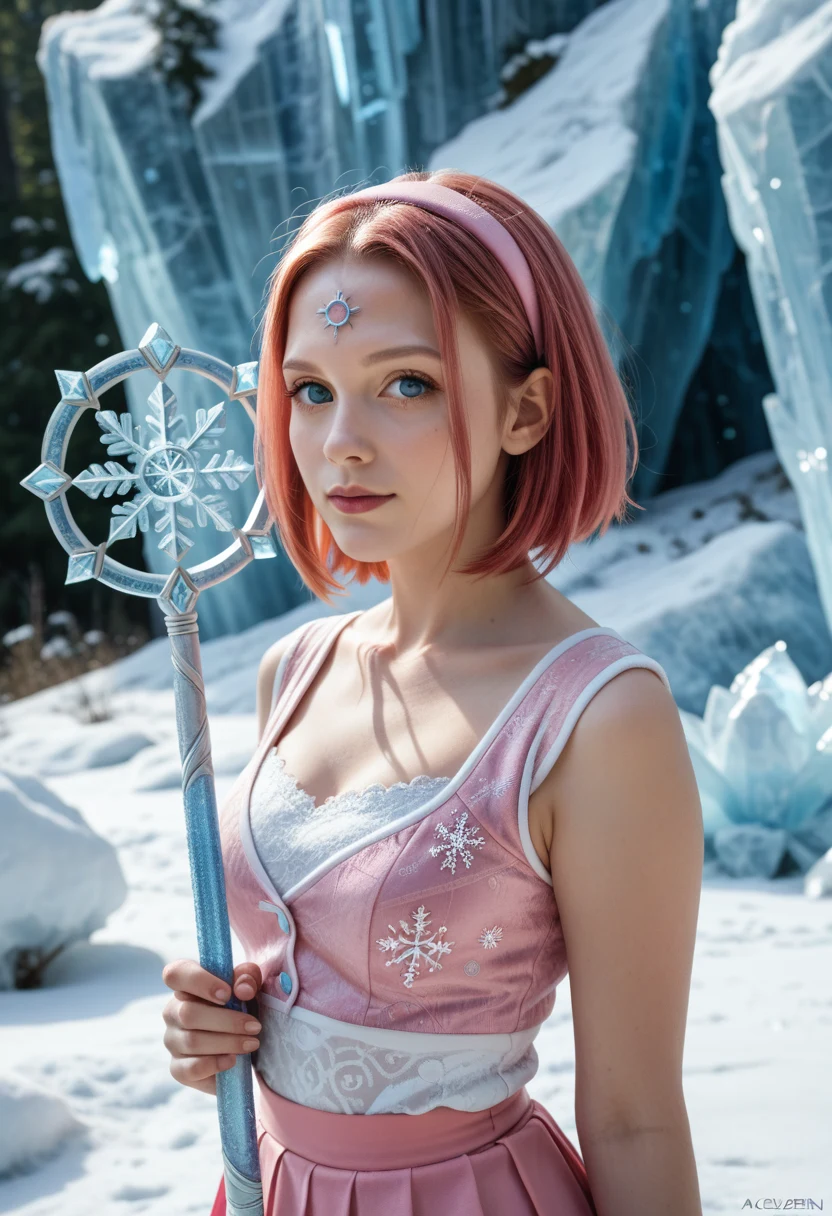

Pony Realism by AiCreativity is the warm-tone counterpart. Same broad approach (Pony score-tags + photoreal training), different aesthetic destination. Skin tones run warmer, lighting tends toward golden-hour and soft-window register, environmental detail is slightly less crisp than Cyberrealistic but the warmth makes up for it on portrait work. The two models are genuinely complementary — you don't need to pick one and reject the other; many users keep both checkpoints and switch based on the mood of the prompt. If you're forcing a choice for a single-checkpoint workflow: warm portraits and natural light go to Pony Realism, cool studio and editorial go to Cyberrealistic.


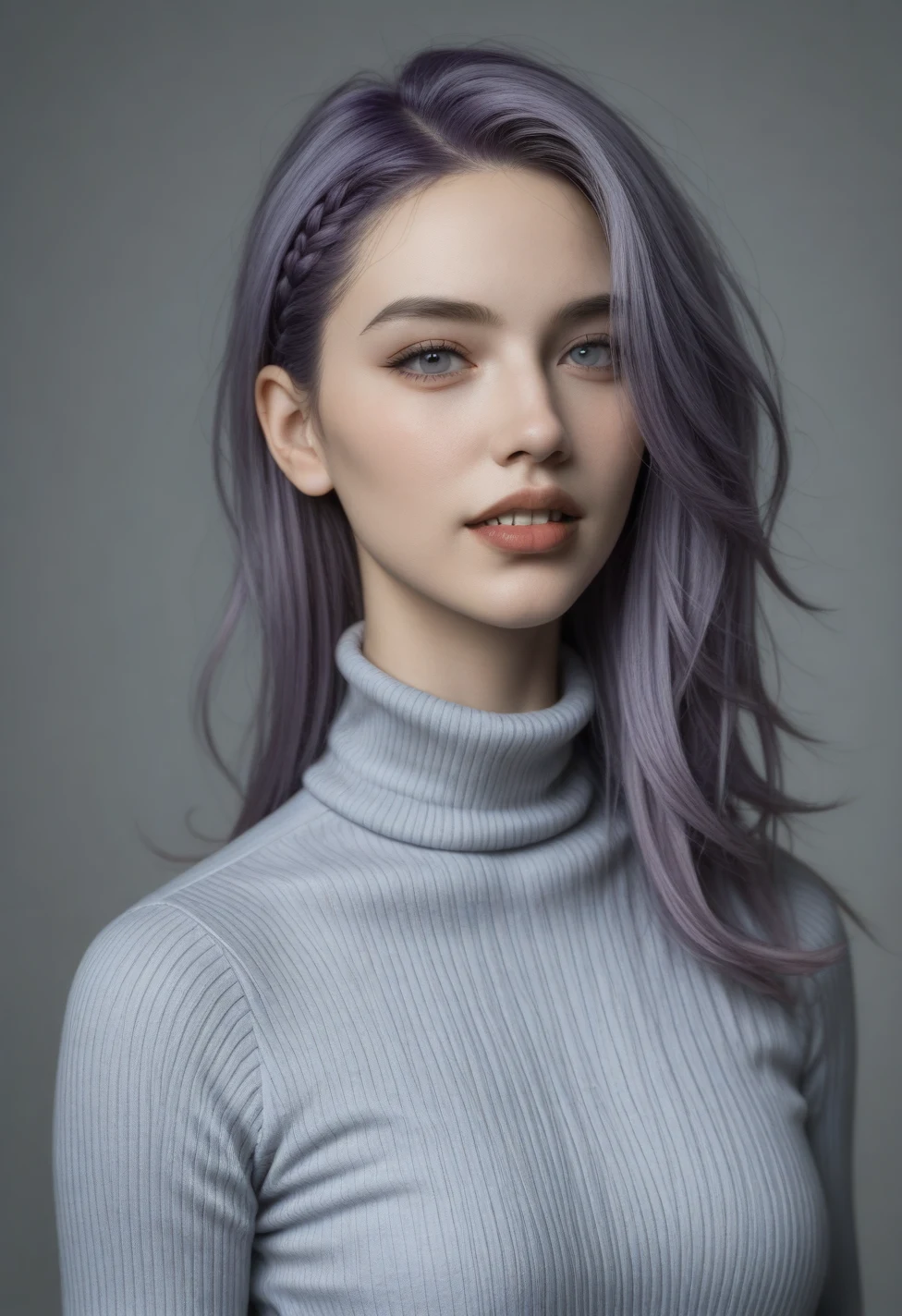
Realism by Stable Yogi Pony is Stable Yogi's photoreal Pony variant, with a particular skin-texture register — pores and surface detail are pushed harder than the two above, which can read as either "more realistic" or "over-rendered" depending on your taste. Smaller community than Cyberrealistic or Pony Realism. Worth trying if you've used both of those and want a third aesthetic option, particularly for close-up portrait work where skin texture matters.
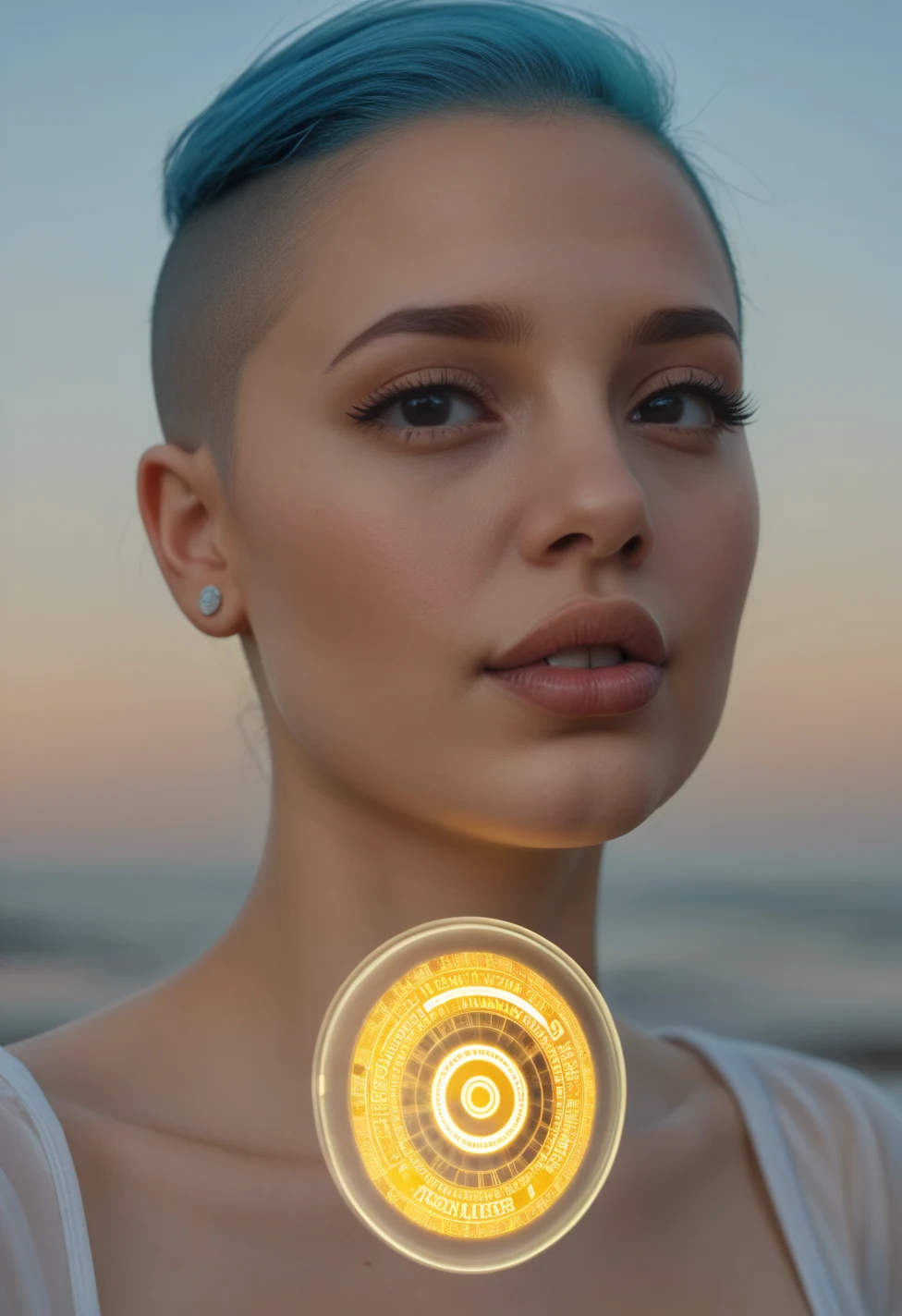

RealMix Pony is a Pony realism mix with a smaller community and a distinct aesthetic that sits between the warm/cool forks above — it's not trying to be DSLR-photographic and it's not trying to be golden-hour-warm; it's a more neutral photoreal register. Niche pick. Reach for it if the others all feel too "styled" for your use case.
Tier 3 — NSFW-Forward Specialty
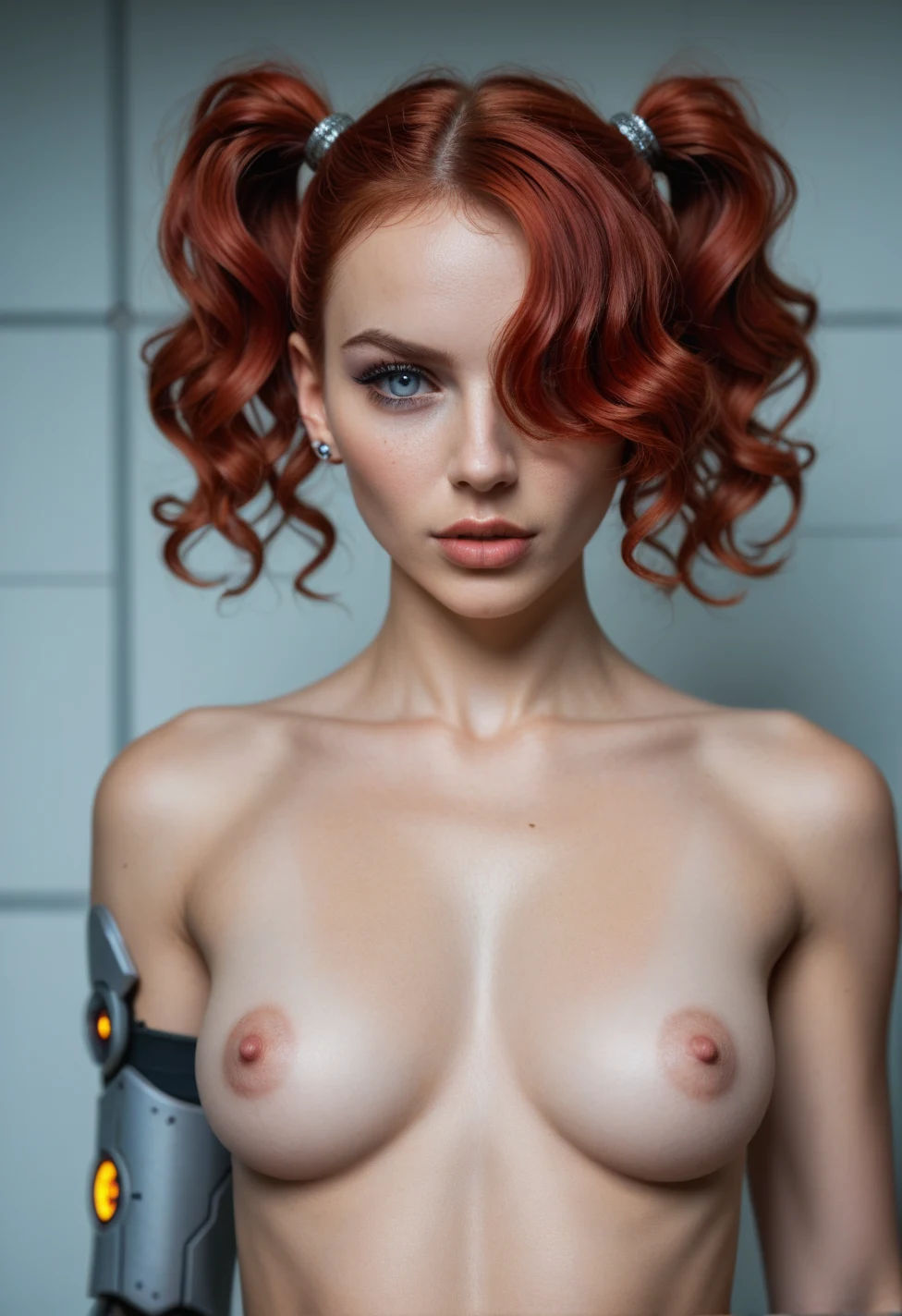
Babes by Stable Yogi Pony is the NSFW-specialty fine-tune. Native explicit-content posture — the rating axis still works, but the model's distribution has been pulled noticeably toward explicit content, which means rating_explicit resolves more readily and rating_safe outputs sometimes still skew toward suggestive framing. Dedicated audience. If your use case is specifically NSFW-forward and you've found that the general-purpose fine-tunes above require a lot of prompt-wrangling to get the result you want, this is built for that workflow. Honest note: the SFW behavior is weaker than on the general-purpose models, so this isn't a one-checkpoint-for-all-uses pick. It's a specialty tool.

Tier 4 — Hybrid Architecture
GonZaloMo XL FluxPony is the curiosity entry. It's an unusual Pony+FLUX architecture merge — the merge attempts to bring some of FLUX's prompt-following and natural-language behavior into a Pony-compatible checkpoint. The result is interesting but limitation-heavy: it doesn't behave fully like either base, score-tag prompting works partially but not as cleanly as on pure Pony, and the model can fail in odd ways on prompts that work fine on either parent. This is not a daily-driver. It's worth knowing about because hybrid Pony+FLUX work is an area of active community experimentation, and if you want to see where that experimentation has landed in catalog form, this is the pick. Don't make it your first download.

Comparison Table
| Model | Output Register | NSFW Posture | Notable Feature | License Notes |
|---|---|---|---|---|
| Pony Diffusion XL V6 | Cel-shaded anime / stylized | Native (rating axis) | Lineage anchor, broadest LoRA compat | Pony custom (commercial-images-only) |
| Prefect Pony XL | Refined anime | Native (rating axis) | Cleaner anatomy, tighter cel rendering | Civitai Commercial (images-only) |
| WAI Ani PonyXL | WAI-style anime | Native (rating axis) | Pony-base sibling of WAI Illustrious | Civitai Commercial (images-only) |
| Bolero Mix Pony | Stylized illustrative | Native (rating axis) | Warmer, less-saturated color register | Civitai Commercial (images-only) |
Choose By Use Case
Short version of the decision tree.
Anime / stylized portrait work — start with vanilla Pony Diffusion XL V6 if you want maximum LoRA compatibility, switch to Prefect Pony XL if the base feels slightly off-model. WAI Ani PonyXL if you want the WAI render style with score-tag prompting. Bolero Mix Pony if you want a different color register from all three.
Photoreal portrait with a cool DSLR aesthetic — Cyberrealistic Pony. The deep-dive at /learn/cyberrealistic-pony covers the full why.
Photoreal portrait with warm skin tones and natural light — Pony Realism. The complementary fork to Cyberrealistic — many users keep both.
NSFW-native specialty workflow — Babes by Stable Yogi Pony. Don't pick this as a general-purpose model; pick it when NSFW is the specific use case.
Score-tag prompting plus photoreal preference — either Cyberrealistic Pony or Pony Realism. Pick by warm-vs-cool aesthetic preference. Realism by Stable Yogi Pony or RealMix Pony as third options once you've outgrown those two.
Plain Danbooru tag prompting instead of score tags — Pony isn't your lineage. The Illustrious and NoobAI families use plain Danbooru tags and sit in a parallel SDXL-anime ecosystem. See our anime-generator listicle for that family's picks. The two ecosystems don't share LoRAs and their prompts aren't interchangeable.
Hybrid / experimental Pony+FLUX work — GonZaloMo XL FluxPony. Curiosity pick. Not daily-driver.
Pony V7 Forward Note
V7 shipped April 2026 on AuraFlow base — that's a deliberate jump off SDXL, with different architecture and different VRAM behavior. The shift broke LoRA and checkpoint compatibility with V6 in both directions; nothing in this article will work on V7 and nothing trained on V7 will work on the V6 lineage. Almost no fine-tunes have been built on V7 yet at the time of writing — the community is still mapping out what the new base wants, and the catalog hasn't onboarded V7 derivatives. Watch this space. When the V7 ecosystem catches up — and it will — expect a separate article variant covering it. For now, V6 is where the lineage and the ecosystem live.
License Notes — The Civitai Commercial Reality
Most Pony derivatives ship under Civitai Commercial licenses, which are images-only commercial licenses: you can sell the images you generate, but you cannot redistribute the model weights, host the model in a paid API service, or build a hosted product around the model itself, without a separate commercial agreement with the creator. This is distinct from the CreativeML Open RAIL-M licenses on most pure-SDXL photoreal merges (Juggernaut, RealVisXL family, and similar) — those are more permissive on model-weight redistribution, with the standard RAIL-M usage restrictions but no commercial-images-only carve-out.
Practical implications. If you're an individual creator selling generated images, the Civitai Commercial license on every Pony fine-tune in this list permits that — read the specific license page on each model to confirm any per-model carve-outs (some creators add restrictions, some loosen them). If you're building a product that hosts Pony or its derivatives behind an API, the standard Civitai Commercial license does not cover that use, and you'll need to either contact the model creator for a commercial agreement or pick a differently-licensed base. If you're training your own LoRA on top of a Pony fine-tune and distributing the LoRA, license behavior depends on how the upstream creator handled derivative-work language — read the license page.
This is journalistic summary, not legal advice. Every model linked above has a license page on its source platform and on its model detail page in this catalog. Read them before any commercial deployment that goes beyond image output, and when in doubt contact the model creator directly. The Pony ecosystem is creator-friendly on image-output use cases and case-by-case on everything else; that's the reality of where the lineage sits in 2026.


